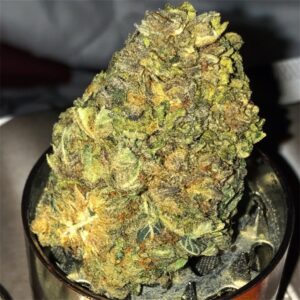
Cannabis Shatter

Discover how purification, molecular stability, and extraction refinement contribute to the formation of one of the cannabis industry’s most recognizable concentrate textures.

The Science Behind Shatter Concentrate Formation

Shatter is distinguished by its transparent appearance, brittle consistency, and glass-like structure, making it one of the most visually recognizable concentrate categories. Unlike softer extracts that develop opaque or whipped textures, shatter is produced through carefully controlled refinement processes that encourage molecular stability within the extract. Variables such as temperature management, terpene content, residual moisture levels, and post extraction handling all influence whether a concentrate develops into a stable, translucent structure or transforms into alternative consistencies such as wax, budder, or crumble. Achieving this level of clarity requires a high degree of precision throughout the extraction and purification process.

The production of high quality shatter often begins with cultivars selected for resin quality, extraction performance, and chemical consistency. Genetics such as Sour Diesel, White Widow, Ghost Train Haze, Super Lemon Haze, Pineapple Express, Blue Dream, Tahoe OG, and Lemon Skunk have historically been evaluated within extraction programs because of their cannabinoid content and resin characteristics. Modern extraction facilities utilize advanced filtration systems, vacuum purging technologies, and laboratory analysis to monitor purity, stability, and concentrate performance. As extraction science continues to evolve, shatter remains an important example of how processing conditions can dramatically influence the physical structure and appearance of a cannabis concentrate.

Featured Products

Featured Pages

EFFECTS

Cannabis Effects Discover cannabis products selected around the experiences customers...

Read More

Featured Blog Articles