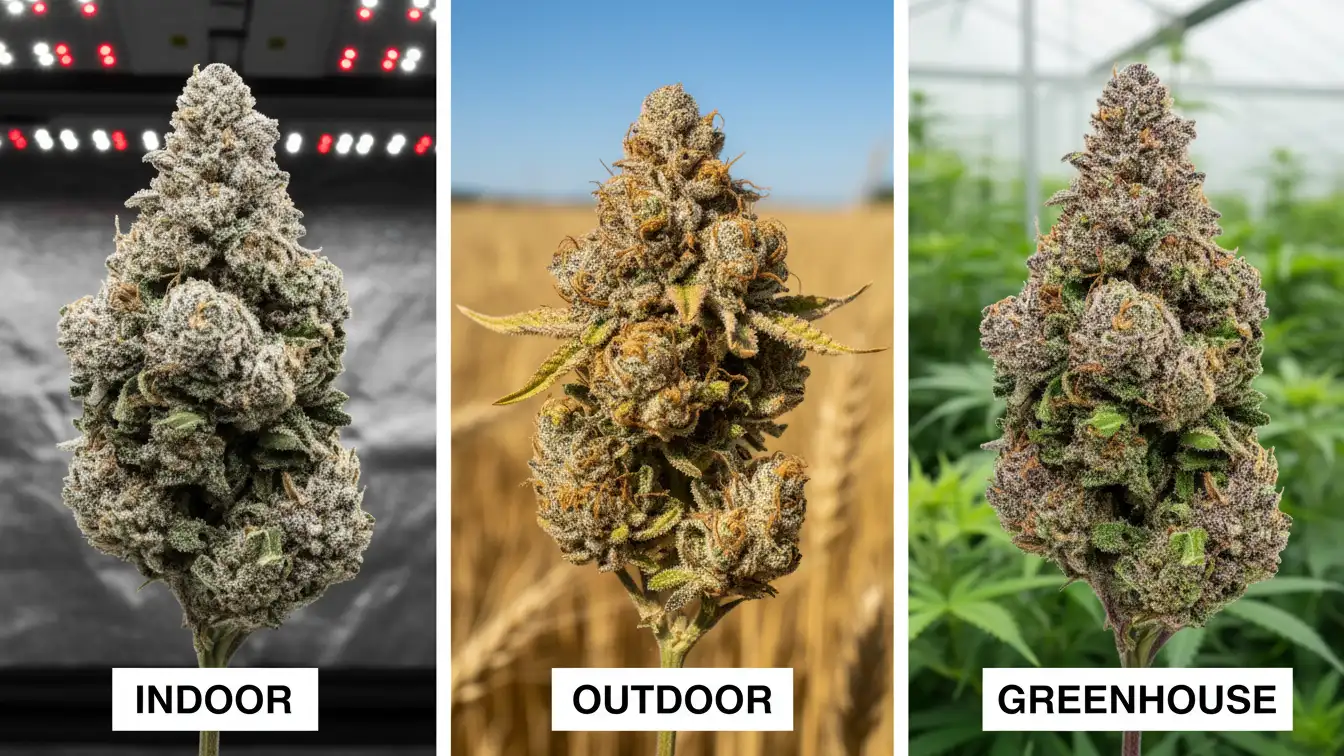
Few topics generate more discussion within the cannabis industry than cultivation environments. Consumers frequently encounter terms such as indoor, outdoor, and greenhouse on product descriptions, dispensary menus, and marketing materials, yet many do not fully understand what these classifications mean or how they influence cannabis production. While each cultivation method can produce exceptional results when executed properly, they differ significantly in environmental control, production strategy, scalability, resource requirements, and cultivation philosophy. Understanding these differences provides valuable insight into how cannabis is grown and why production environments play an important role in shaping the modern cannabis marketplace.
Why Cultivation Environment Matters
Cannabis is an agricultural product, and like all crops, the environment in which it is grown directly influences plant development. Light exposure, temperature, humidity, airflow, irrigation, nutrient management, and seasonal conditions all affect how cannabis plants grow throughout their lifecycle.
The cultivation environment determines how much control growers have over these variables. Some production methods prioritize precision and consistency, while others embrace natural growing conditions and environmental diversity. Understanding this balance is essential when evaluating cannabis products.
Indoor Cannabis: Maximum Environmental Control
Indoor cultivation represents one of the most technologically advanced sectors of the cannabis industry. Indoor facilities are designed to give cultivators complete control over virtually every aspect of the growing environment.
Modern indoor operations utilize advanced lighting systems, climate controls, irrigation technologies, environmental monitoring equipment, and cultivation software to maintain precise growing conditions throughout each stage of plant development.
This level of control allows cultivators to optimize consistency, preserve genetic expression, and maintain production standards regardless of seasonal changes.
Many of the industry’s most recognized premium flower brands have built their reputations through sophisticated indoor cultivation programs focused on quality and consistency.
Why Indoor Cannabis Became The Premium Standard
The rise of indoor cultivation coincided with growing consumer demand for premium cannabis. Controlled environments made it possible to produce highly consistent flower while maximizing visual quality, terpene preservation, and resin development.
Indoor cultivation also allows growers to run multiple harvest cycles throughout the year, supporting continuous production and product availability. As legal cannabis markets expanded, many commercial operators invested heavily in indoor infrastructure to meet increasing demand for premium flower products.
Today, indoor cultivation remains closely associated with many of the most respected flower programs in the industry.
Outdoor Cannabis: Harnessing Natural Conditions
Outdoor cultivation represents the oldest form of cannabis production and remains an important part of the global cannabis industry. Rather than relying on artificial environmental controls, outdoor growers utilize natural sunlight, seasonal conditions, and regional climates to cultivate cannabis.
Many respected cultivation regions have developed strong reputations because of their unique environmental conditions and agricultural heritage. Areas known for favorable climates often produce cannabis that reflects the characteristics of the surrounding environment, similar to how wine-producing regions influence grape cultivation.
Outdoor cultivation continues to play an important role in large-scale cannabis production and remains valued by many cultivators who appreciate traditional agricultural practices.
Greenhouse Cultivation: Bridging Two Worlds
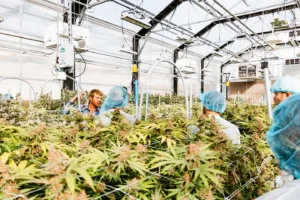
Greenhouse cultivation occupies a unique position within the cannabis industry by combining elements of both indoor and outdoor production. Greenhouses utilize natural sunlight while incorporating environmental controls that allow cultivators to manage important growing conditions more effectively than traditional outdoor operations.
This hybrid approach offers growers greater flexibility while often reducing some of the resource demands associated with fully indoor facilities. As a result, greenhouse cultivation has become increasingly popular among commercial producers seeking to balance quality, efficiency, and scalability.
Many successful cannabis operations now rely on greenhouse systems as part of their long-term production strategies.
Sustainability And Resource Efficiency
As cannabis cultivation continues to evolve, sustainability has become an increasingly important consideration. Cultivators are investing in energy-efficient technologies, water conservation systems, environmental monitoring tools, and resource management practices designed to improve operational efficiency.
Greenhouse and outdoor cultivation methods often receive attention for their ability to utilize natural sunlight, while indoor facilities continue exploring new technologies aimed at reducing energy consumption without compromising product quality.
The industry’s focus on sustainability is likely to play an increasingly important role in future cultivation decisions.
Which Cultivation Method Produces The Best Cannabis?
One of the most common misconceptions within cannabis is that a single cultivation method automatically guarantees superior quality. In reality, product quality is influenced by far more than production environment alone.
Genetics, cultivation expertise, environmental management, harvest timing, drying procedures, curing practices, and post-harvest handling all contribute significantly to the final product. Exceptional cannabis can be produced through indoor, greenhouse, or outdoor cultivation when supported by strong operational standards and experienced growers.
Many industry professionals evaluate products based on overall quality rather than cultivation method alone.
The Future Of Cannabis Cultivation
The future of cannabis production will likely involve continued innovation across all cultivation environments. Advances in environmental control systems, greenhouse technology, genetic development, automation, and agricultural science continue to improve production capabilities throughout the industry.
Rather than competing against one another, indoor, outdoor, and greenhouse cultivation each serve important roles within the broader cannabis ecosystem. Understanding the strengths and challenges associated with each method provides consumers with a more complete perspective on the expertise, technology, and agricultural knowledge required to produce modern cannabis products.
As the industry continues to mature, cultivation excellence will remain defined not by the environment alone but by the skill, discipline, and innovation applied within it.