Indica Weed Strains

Discover the history, genetic foundations, and cultivation characteristics that have shaped indica cannabis strains throughout modern cannabis breeding.

Understanding The Origins Of Indica Cannabis Genetics

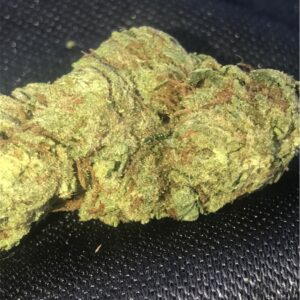
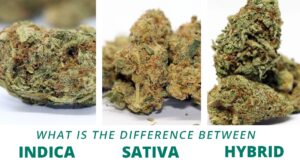
The term “indica” has been used for decades within cannabis classification systems to describe plant populations historically associated with specific geographic regions and physical growth characteristics. Traditionally, indica plants were recognized for their compact structure, broad leaf morphology, shorter flowering periods, and adaptability to harsher environmental conditions. These characteristics made indica genetics highly valuable within breeding programs, where cultivators sought to improve plant resilience, flowering efficiency, and cultivation consistency. Although modern cannabis breeding has significantly blurred the distinction between traditional cannabis classifications, indica genetics continue to play a foundational role in many of today’s most recognized cultivars.

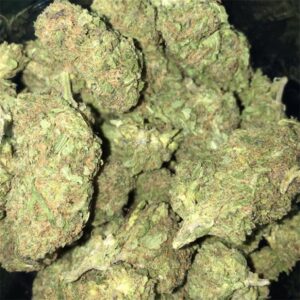
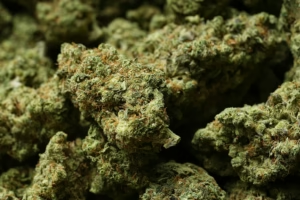
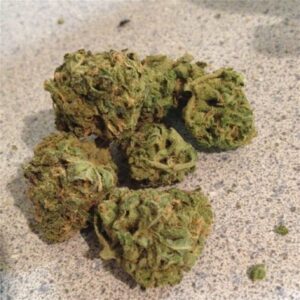
Contemporary cannabis breeding relies heavily on indica lineage to develop cultivars known for dense flower formation, substantial resin production, and strong terpene expression. Influential genetics such as Northern Lights, OG Kush, Bubba Kush, Hindu Kush, Ice Cream Cake, and GMO have contributed to the development of countless modern hybrids that dominate today’s cannabis marketplace. Researchers and cultivators increasingly recognize that modern cannabis cannot be accurately understood through simple indica or sativa labels alone, yet these classifications remain useful for understanding genetic history, breeding objectives, and the evolutionary development of contemporary cannabis cultivars. As breeding science continues to advance, indica genetics remain among the most influential building blocks within modern cannabis cultivation.

Featured Products

Featured Pages

Featured Blog Articles