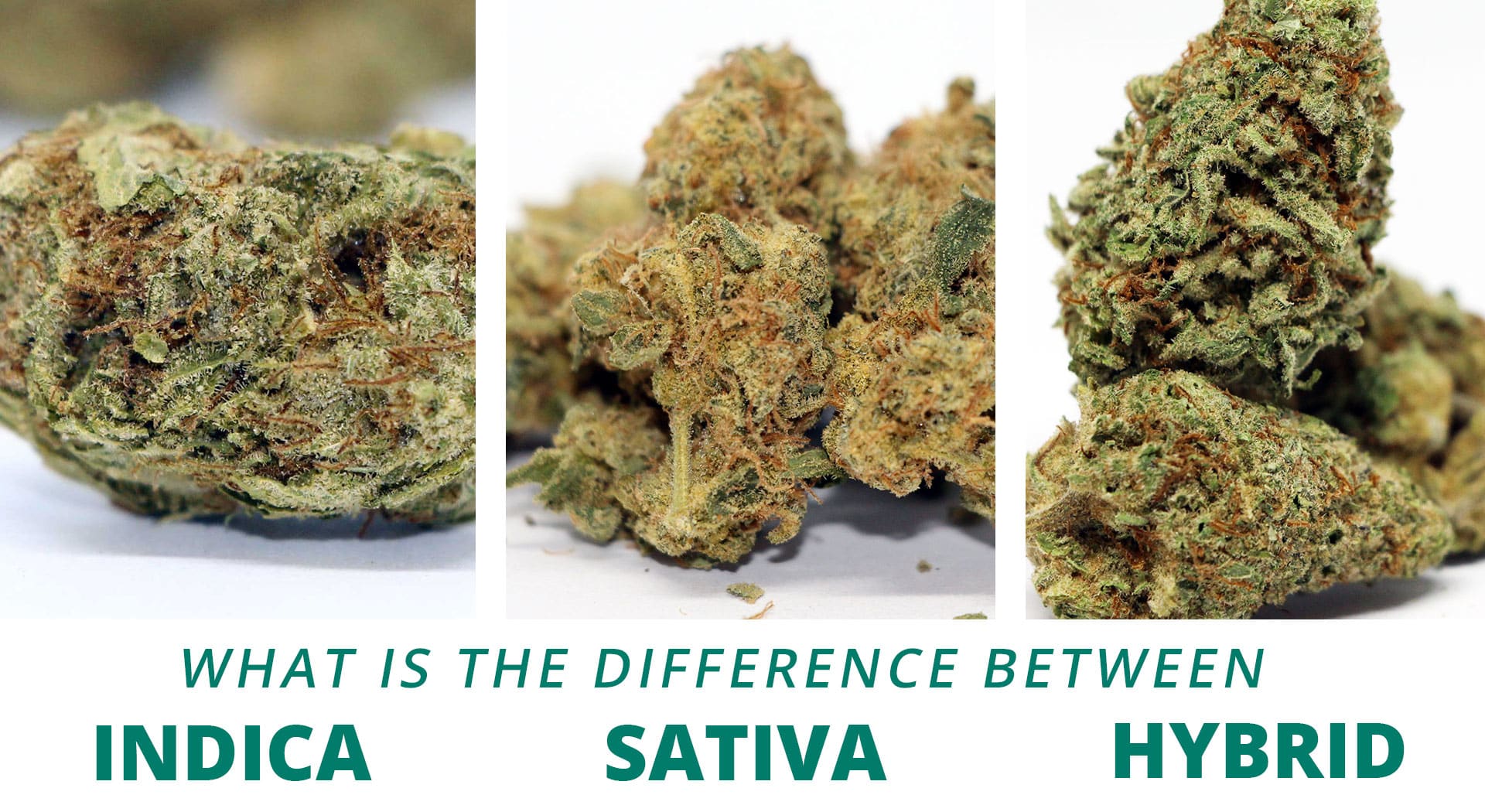
Few terms are more widely recognized in the cannabis industry than Indica, Sativa, and Hybrid. For decades, these classifications have served as the primary framework through which consumers, retailers, cultivators, and marketers describe cannabis strains. Walk into almost any cannabis dispensary, browse a strain database, or read a product description, and you are likely to encounter these categories. They have become deeply embedded in cannabis culture and continue influencing how consumers evaluate and compare products. Yet despite their popularity, the modern cannabis industry is increasingly questioning whether these classifications accurately reflect the complexity of today’s genetics.
The challenge is not that Indica, Sativa, and Hybrid are entirely incorrect. Rather, the issue is that modern cannabis has evolved far beyond the simple categories that once defined it. Decades of breeding, genetic hybridization, and global genetic exchange have created cultivars that often blur the boundaries between traditional classifications. As scientific understanding continues to expand, many researchers, breeders, and industry professionals are shifting toward more detailed methods of evaluating cannabis, focusing on genetics, terpene profiles, cannabinoid composition, and lineage rather than relying solely on broad labels.
Where The Terms Indica And Sativa Originally Came From
The origins of the Indica and Sativa classifications can be traced back to botanical observations rather than modern consumer experiences. Early researchers studying cannabis noticed that plants from different geographic regions often exhibited distinct physical characteristics. Certain populations tended to grow taller with narrower leaves, while others developed shorter, bushier structures with broader leaf formations.
These differences were largely influenced by environmental adaptation. Cannabis populations evolved over long periods within different climates, altitudes, and growing conditions, leading to variations in plant morphology. The terms Indica and Sativa were initially used as botanical descriptors intended to help classify these physical differences rather than serve as comprehensive explanations of every characteristic a plant might express.
How Cannabis Breeding Changed Everything
The modern cannabis market bears little resemblance to the cannabis populations that originally inspired these classifications. As breeders gained access to genetics from different regions around the world, they began crossing plants in pursuit of new traits and improved performance. Over time, this process produced increasingly complex genetic combinations that combined characteristics from multiple lineages.
Today, the vast majority of commercially available cannabis strains are hybrids to some degree. Many cultivars contain genetic contributions from numerous ancestral populations, making it difficult to categorize them accurately using traditional labels alone. This extensive hybridization has fundamentally changed the genetic landscape of cannabis and challenged the usefulness of rigid classification systems.
Why Consumers Embraced The Classification System
Despite its limitations, the Indica, Sativa, and Hybrid framework became enormously popular because it provided a simple way to organize an increasingly diverse marketplace. As legal cannabis markets expanded, consumers sought straightforward methods for navigating hundreds of available strains. The classification system offered an accessible vocabulary that helped simplify purchasing decisions and product discussions.
Retailers and brands also benefited from the framework because it allowed products to be grouped into recognizable categories. Consumers quickly became familiar with the terminology, and the system became a standard feature of cannabis marketing and education. While not scientifically comprehensive, it served as an effective introduction to a rapidly growing industry.
The Limits Of Traditional Classifications
As cannabis research advanced, industry professionals began recognizing that plant classification alone could not fully explain the diversity of modern cultivars. Two strains categorized within the same group might exhibit dramatically different aromas, flavors, cannabinoid profiles, and growth characteristics. Likewise, strains placed in different categories often shared surprisingly similar traits.
This inconsistency revealed an important reality: modern cannabis is far too genetically complex to be understood through simple classifications alone. Factors such as lineage, breeding history, terpene composition, cultivation practices, and cannabinoid development often provide more meaningful insights into a strain’s identity than broad category labels.
The Rise Of Terpene And Genetic Analysis
One of the most significant developments in modern cannabis evaluation is the growing emphasis on terpenes and genetics. Terpenes contribute to the distinctive aromas and flavors associated with cannabis, while genetics determine a plant’s underlying characteristics and potential. Together, these factors provide a more detailed understanding of what makes a strain unique.
Breeders and cultivators increasingly rely on genetic analysis to guide breeding decisions and preserve important traits. Consumers are also becoming more interested in understanding lineage and terpene profiles rather than relying exclusively on traditional classifications. This shift reflects the industry’s broader movement toward education, transparency, and scientific understanding.
Why Hybrid Is Becoming The New Normal
The widespread hybridization of cannabis genetics means that many modern strains no longer fit neatly into traditional categories. Instead, they represent combinations of diverse genetic influences that contribute to unique characteristics and identities. As breeding continues advancing, the distinction between historical classifications becomes increasingly blurred.
This does not mean the term Hybrid lacks value. Rather, it highlights the reality that cannabis genetics exist on a spectrum rather than within fixed categories. Understanding this complexity allows consumers and industry professionals to approach cannabis with a more nuanced perspective and a greater appreciation for the diversity created through decades of breeding innovation.
The Future Of Cannabis Classification
The future of cannabis classification will likely involve a combination of genetics, terpene analysis, cannabinoid profiling, and lineage research. Rather than relying solely on broad historical labels, future systems may provide more detailed and accurate descriptions of what makes each cultivar unique. Advances in genetic science and data analysis are already contributing to this evolution, offering new ways to understand and categorize cannabis.
As the industry continues maturing, education will play an increasingly important role in helping consumers navigate a complex marketplace. Indica, Sativa, and Hybrid will likely remain familiar terms, but they may serve as starting points rather than complete explanations. The future of cannabis classification lies in embracing the plant’s genetic complexity and recognizing that every strain is ultimately the product of a unique evolutionary and breeding history.