
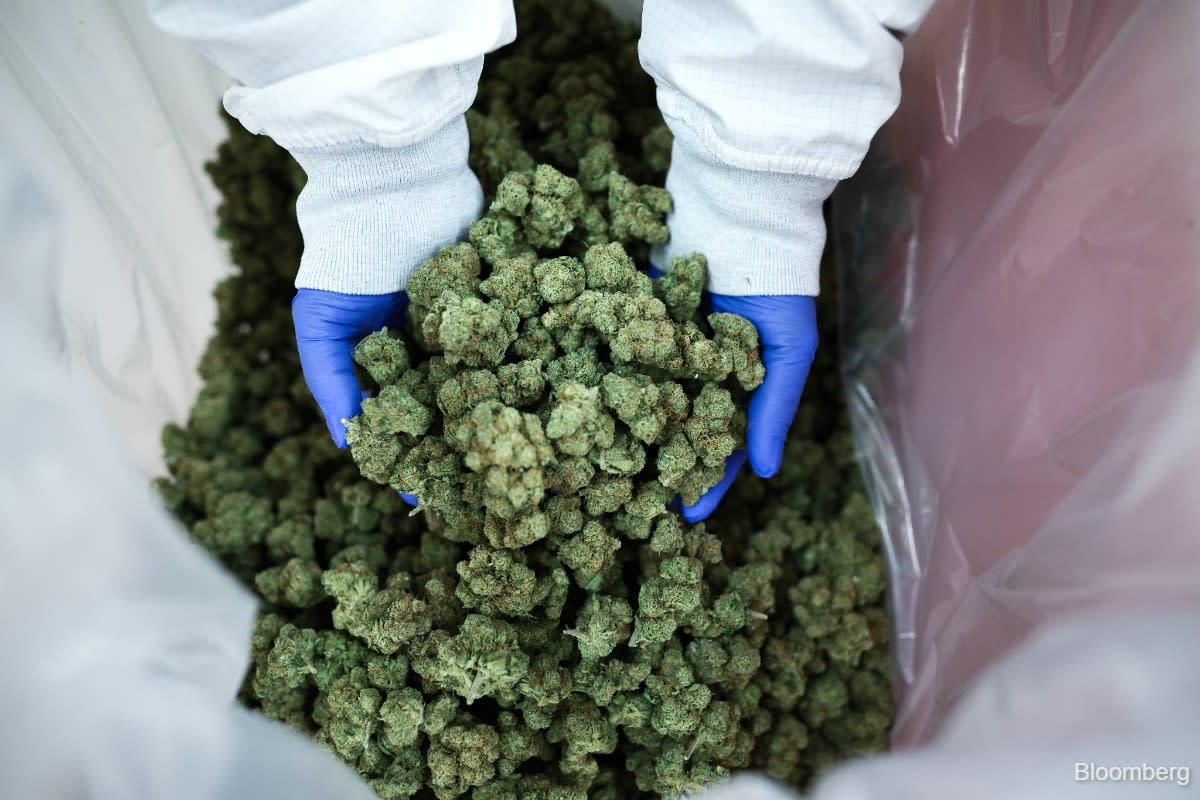
Few trends have influenced the modern cannabis industry as significantly as the pursuit of higher potency. Over the past two decades, advancements in cultivation, breeding, extraction, and manufacturing have transformed the THC marketplace, creating products that differ dramatically from those available in earlier generations of legal and traditional cannabis markets. Today, high-potency products occupy a major position within the industry, influencing consumer preferences, product development strategies, cultivation goals, and commercial competition across global markets.
The rise of potency is not simply a story about numbers. It reflects broader developments within the cannabis economy, including advances in plant genetics, improved production technologies, changing consumer expectations, and the growing sophistication of modern cannabis businesses. As the market matured, producers sought ways to differentiate products, improve consistency, and meet evolving consumer demand. Potency became one of the most visible metrics through which products could be compared, evaluated, and marketed, helping shape one of the industry’s most influential trends.
Modern Genetics Changed The Landscape
The foundation of today’s high-potency THC market can be traced to advances in cannabis breeding. As cultivators gained a deeper understanding of genetics and plant selection, breeding programs became increasingly sophisticated. Rather than relying solely on traditional cultivation methods, breeders began carefully selecting traits associated with consistency, performance, cannabinoid development, and overall plant quality.
These efforts gradually transformed the genetic landscape of cannabis. Producers gained access to increasingly refined cultivars capable of delivering reliable cannabinoid profiles and predictable production outcomes. Genetics became one of the industry’s most valuable assets, and potency emerged as an important consideration within breeding programs seeking to meet market demand.
Cultivation Technology Accelerated Progress
Genetics alone cannot explain the rise of high-potency products. Modern cultivation technologies have played an equally important role. Advanced lighting systems, environmental controls, irrigation strategies, climate management technologies, and precision agriculture techniques have allowed producers to create highly optimized growing environments.
These innovations enable cultivators to manage production with unprecedented levels of consistency and precision. As cultivation science evolved, producers gained greater control over plant development and quality outcomes, supporting the emergence of increasingly sophisticated production systems. The combination of elite genetics and advanced cultivation technology helped create the conditions necessary for the modern high-potency market to flourish.
Extraction Expanded The Boundaries Of Product Development
One of the most important catalysts behind the rise of high-potency products was the evolution of extraction technology. Extraction allowed manufacturers to isolate and refine cannabinoids in ways that were not possible through traditional flower production alone. This technological breakthrough created opportunities for entirely new categories of THC products designed around concentrated cannabinoid formulations.
The development of concentrates transformed the cannabis industry by demonstrating how manufacturing innovation could expand product possibilities. As extraction methods improved, manufacturers gained greater flexibility in product design, helping fuel demand for increasingly advanced and diverse offerings. This shift significantly broadened the scope of the THC marketplace and accelerated the industry’s pace of innovation.
Consumer Demand Became A Driving Force
Market trends are ultimately shaped by consumers, and the rise of potency is no exception. As legal cannabis markets expanded, consumers gained access to a wider range of products and more information about product characteristics. This increased awareness encouraged comparisons between products and contributed to growing interest in potency as a measurable attribute.
Businesses responded by investing in cultivation, breeding, extraction, and product development strategies designed to align with consumer demand. Over time, potency became one of several factors influencing purchasing decisions and product positioning. While quality, consistency, branding, and overall experience remain important, potency emerged as a highly visible metric within competitive markets.
Competition Encouraged Continuous Innovation
As the cannabis industry matured, competition intensified across nearly every product category. Producers sought ways to distinguish themselves while maintaining profitability and market relevance. This environment encouraged ongoing investment in genetics, cultivation technologies, manufacturing capabilities, and research initiatives aimed at improving product performance and consistency.
The pursuit of innovation became a defining characteristic of the industry. Companies continually refined production methods while exploring opportunities to improve quality and differentiate offerings. Potency became one aspect of a larger innovation cycle that continues shaping the evolution of modern cannabis products.
Premium Markets Are Changing The Conversation
Interestingly, the industry’s relationship with potency is becoming more nuanced as markets mature. While potency remains important, many consumers are increasingly evaluating products based on a broader range of factors, including genetics, cultivation quality, terpene profiles, manufacturing standards, brand reputation, and overall product experience.
This shift reflects the growing sophistication of the cannabis marketplace. Premium segments often emphasize craftsmanship, consistency, and quality alongside potency, creating a more balanced approach to product evaluation. As consumers become more educated, the conversation surrounding THC products continues evolving beyond simple numerical comparisons.
The Future Of High Potency THC Products
The future of high-potency products will likely be shaped by the same forces that fueled their rise: innovation, consumer demand, scientific advancement, and market competition. Breeding programs will continue developing new genetics, cultivation technologies will become increasingly sophisticated, and manufacturers will explore new formulation and production strategies designed to improve product quality and consistency.
What began as a trend centered on cannabinoid concentration has evolved into a broader story about technological progress and industry maturation. High-potency THC products represent the intersection of genetics, agriculture, science, manufacturing, and consumer behavior. As the cannabis industry continues evolving, they will remain an important part of the marketplace while contributing to the ongoing innovation that defines the modern THC economy.