
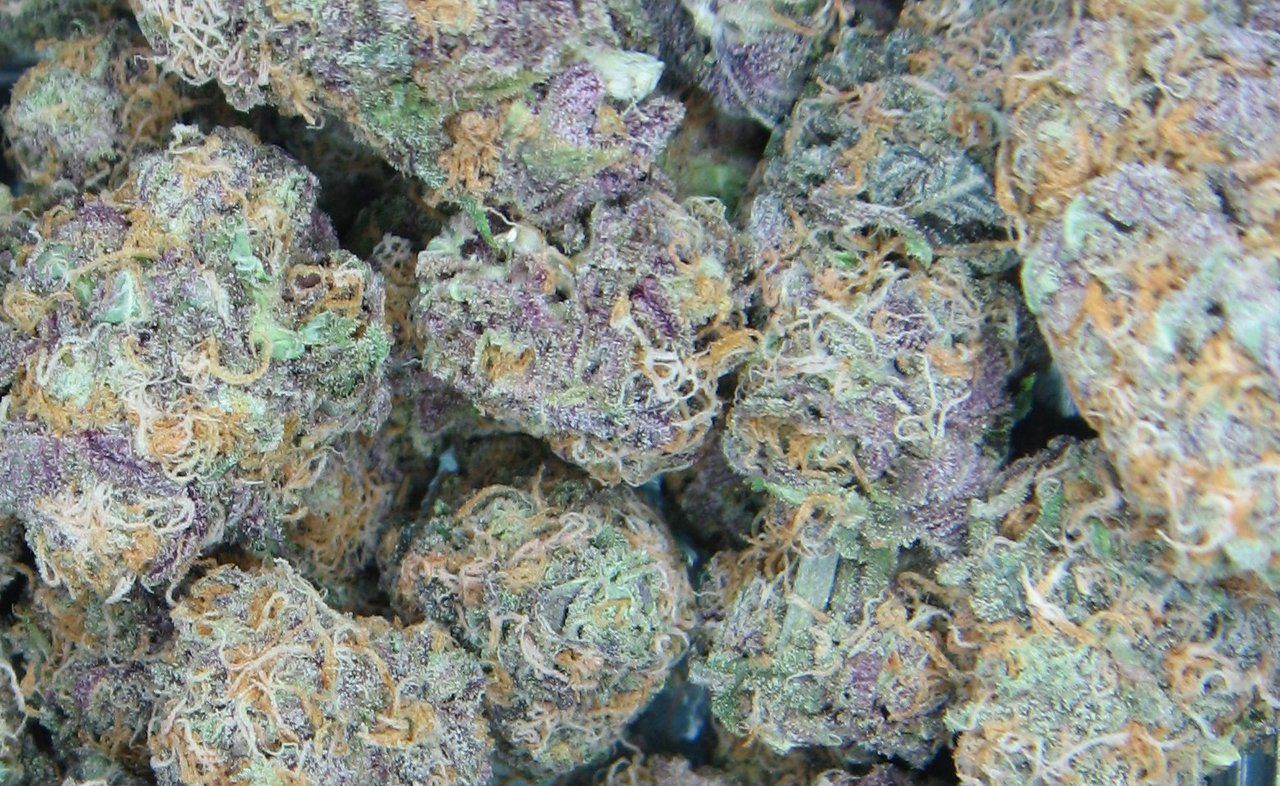
For many years, THC percentage has dominated conversations throughout the cannabis industry. Product packaging, marketing materials, strain reviews, and consumer discussions frequently place significant emphasis on cannabinoid content, often treating THC levels as the primary indicator of quality. This focus has created a marketplace where many consumers instinctively compare products based on numerical percentages before considering any other factor. While THC content remains an important part of understanding cannabis, it tells only a small portion of the story. The true complexity of cannabis extends far beyond a single cannabinoid measurement.
As the cannabis industry matures, cultivators, breeders, researchers, and experienced consumers are increasingly recognizing the importance of terpenes. These aromatic compounds help shape the distinctive characteristics that make one strain different from another. They contribute to aroma, flavor, plant identity, and overall product uniqueness. Understanding terpenes allows consumers to move beyond simple potency comparisons and develop a more sophisticated approach to evaluating cannabis quality.
The THC Percentage Obsession
The popularity of THC percentages is easy to understand. Numerical values provide consumers with a simple and convenient way to compare products. In a marketplace filled with hundreds of cultivars, percentages appear to offer a straightforward method of evaluating quality and making purchasing decisions. Over time, this simplicity helped THC content become one of the most widely recognized metrics in cannabis retail environments.
The problem is that cannabis is an extraordinarily complex plant. Two strains with nearly identical THC levels may differ dramatically in aroma, flavor, appearance, cultivation characteristics, and overall identity. Consumers who focus exclusively on THC percentages often overlook many of the factors that contribute to a strain’s uniqueness and quality. As a result, they may miss some of the most remarkable cultivars available in the marketplace.
What Exactly Are Terpenes?
Terpenes are naturally occurring aromatic compounds found throughout the plant kingdom. They are responsible for many of the recognizable scents associated with flowers, fruits, herbs, spices, and countless other plants. In cannabis, terpenes contribute to the distinctive aromas and flavors that make individual strains recognizable and memorable.
Every cannabis cultivar develops its own terpene profile. Some strains produce sweet and fruity characteristics, while others display earthy, citrus, floral, fuel-like, spicy, or dessert-inspired aromas. These profiles are often among the first things consumers notice when evaluating a strain. In many cases, terpene expression becomes one of the defining features that distinguish exceptional genetics from ordinary cultivars.
Why Aroma Reveals So Much About A Strain
Experienced cultivators and breeders often place tremendous value on aroma because it reflects underlying genetic characteristics and overall plant quality. A rich and distinctive aromatic profile frequently indicates careful breeding, strong genetics, and successful cultivation practices. This is one reason why premium cannabis markets often celebrate aroma as one of the most important indicators of excellence.
Unlike THC percentages, aroma provides immediate insight into a strain’s individuality. Two products may display similar cannabinoid content while possessing entirely different terpene profiles. These differences help explain why certain strains become legendary within cultivation communities and continue influencing breeding programs for generations.
The Most Influential Strains Are Often Terpene Driven
Many of the most famous strains in cannabis history achieved recognition because of their unique aromatic identities rather than exceptionally high THC percentages. Cultivars such as Skunk, Diesel, Haze, Kush, Cookies, and numerous modern descendants became influential largely because breeders recognized the value of their distinctive terpene expressions.
These genetic families shaped the evolution of modern cannabis because they introduced new aromas, flavors, and breeding possibilities. Their influence demonstrates that terpene development often plays a greater role in long-term genetic significance than cannabinoid concentration alone. The strains that leave lasting legacies are frequently those that bring something unique to the sensory experience of cannabis.
How Modern Breeders Prioritize Terpene Development
Today’s leading breeders increasingly focus on terpene expression when developing new cultivars. While cannabinoid content remains important, many breeding projects prioritize aroma complexity, flavor uniqueness, and terpene diversity as key objectives. This shift reflects a growing understanding that consumers value distinction and character as much as potency.
Breeders understand that memorable cultivars often emerge from exceptional terpene combinations. By selecting plants with unique aromatic profiles and refining those characteristics across multiple generations, breeders continue expanding the diversity available throughout the cannabis marketplace. This focus on terpene development is helping shape the next era of cannabis genetics.
The Premium Market Thinks Differently
One of the most noticeable trends within modern cannabis is the growing sophistication of premium consumers. Experienced buyers increasingly evaluate products using a broader set of criteria that includes genetics, cultivation quality, visual appeal, aroma complexity, lineage, and overall craftsmanship. THC percentage remains part of the conversation, but it is rarely the only factor being considered.
This evolution mirrors developments observed in industries such as coffee, wine, specialty foods, and luxury products. As consumers gain knowledge and experience, they often move beyond simple numerical measurements and develop a deeper appreciation for quality, complexity, and authenticity. Cannabis is following a similar path as education and market maturity continue advancing.
Learning To Evaluate Cannabis Like An Expert
Evaluating cannabis effectively requires looking beyond a single statistic. Understanding genetics, cultivation practices, terpene profiles, and overall plant quality provides a far more complete picture of what makes a strain unique. THC percentages offer useful information, but they should be viewed as one piece of a much larger puzzle rather than the ultimate measure of value.
Consumers who learn to appreciate terpenes often discover a richer and more rewarding understanding of cannabis. They begin recognizing the nuances that separate exceptional cultivars from ordinary products and gain greater insight into the artistry behind breeding and cultivation. This perspective transforms cannabis from a simple commodity into a highly sophisticated agricultural product worthy of deeper appreciation.
The Future Of Cannabis Evaluation
As the cannabis industry continues evolving, the conversation surrounding quality is becoming increasingly sophisticated. Education, transparency, and consumer awareness are encouraging a broader understanding of what defines exceptional cannabis. Terpenes are playing a central role in this shift because they provide insight into the characteristics that make each cultivar unique.
The future of cannabis evaluation will likely involve a combination of genetics, lineage, cultivation quality, cannabinoid composition, and terpene analysis. Consumers who understand these factors will be better equipped to navigate an increasingly diverse marketplace. While THC percentages will remain relevant, the industry’s future belongs to those who recognize that true cannabis quality is defined by far more than a single number.