Few naturally occurring compounds have had as profound an influence on a modern industry as tetrahydrocannabinol, better known as THC. Today, THC stands at the center of a global cannabis economy that spans cultivation, manufacturing, retail, technology, research, consumer products, and cultural innovation. Yet the journey of THC from an unknown plant compound to one of the most recognized cannabinoids in the world is a story that stretches across centuries of human history, scientific discovery, agricultural development, and economic transformation. Understanding this evolution provides valuable insight into how a single cannabinoid helped shape one of the fastest-growing industries of the modern era.
The rise of THC reflects more than the growth of cannabis itself. It represents the intersection of science, culture, commerce, and innovation. As researchers expanded their understanding of cannabinoids and consumers gained access to increasingly sophisticated products, THC became one of the most influential components driving industry growth. What began as a naturally occurring compound within a complex botanical plant has evolved into the foundation of an international marketplace that continues to expand across multiple sectors and regions around the world.
Cannabis History Predates Modern Science
Long before THC was identified by scientists, cannabis was cultivated and utilized by civilizations across various regions of the world. Historical records indicate that cannabis played roles in agriculture, textile production, trade, and cultural practices for thousands of years. These early societies understood the value of the plant itself, even though the specific compounds responsible for its unique characteristics remained unknown.
For centuries, cannabis cultivation evolved through traditional farming methods and regional adaptation. Different varieties emerged as growers selected plants suited to local climates and agricultural conditions. Although the concept of cannabinoids had not yet been discovered, these early cultivation efforts laid the foundation for the diverse genetic landscape that would later become essential to modern cannabis breeding and product development.
The Discovery That Changed Cannabis Science
The modern story of THC began when researchers started investigating the chemical composition of the cannabis plant. Advances in analytical science allowed scientists to isolate and identify individual cannabinoids, leading to one of the most important breakthroughs in cannabis research. The identification of THC provided a scientific explanation for many of the characteristics historically associated with cannabis and opened the door to decades of further study.
This discovery transformed cannabis from a largely misunderstood plant into a subject of serious scientific investigation. Researchers began exploring cannabinoid chemistry, plant biology, and the intricate relationships between various compounds found within cannabis. The identification of THC became a pivotal moment that helped establish the foundation of the modern cannabis industry and encouraged a new era of research and innovation.
The Rise Of Modern Cannabis Cultivation
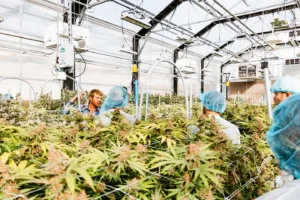
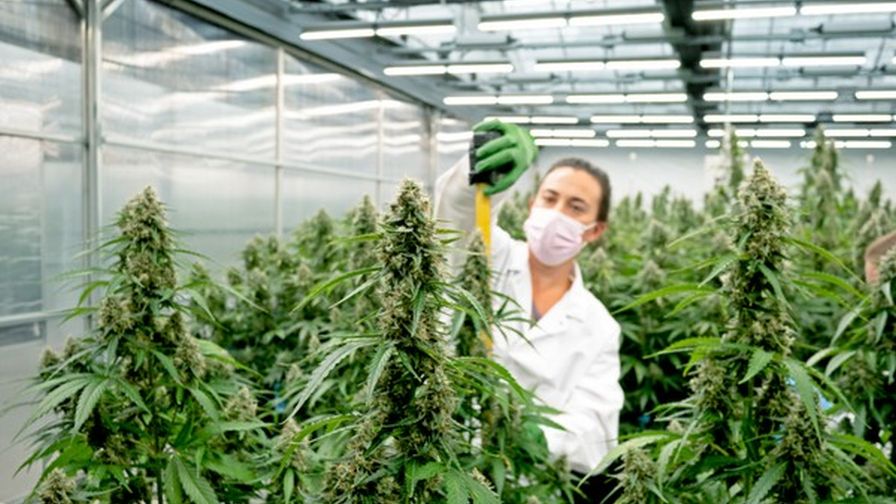
As scientific understanding expanded, cultivation practices began evolving as well. Growers moved beyond traditional agricultural methods and increasingly adopted precision cultivation techniques designed to improve consistency, quality, and cannabinoid development. Advances in genetics, environmental controls, lighting systems, and cultivation technologies allowed producers to better understand how different growing conditions influenced plant characteristics.
This shift transformed cannabis cultivation into a highly specialized agricultural discipline. Producers invested heavily in breeding programs, cultivation infrastructure, and quality management systems capable of supporting commercial-scale production. THC became a central focus of many breeding efforts, influencing how cultivators selected genetics and developed products designed for increasingly sophisticated markets.
THC Became The Foundation Of Product Innovation
As cannabis markets expanded, THC became a driving force behind product innovation. What was once primarily associated with traditional flower products gradually became integrated into a wide range of consumer categories. Manufacturers developed advanced extraction technologies, refined production methods, and created new product formats designed to meet evolving consumer preferences.
The diversity of today’s marketplace reflects the industry’s remarkable capacity for innovation. Products now span numerous categories, each supported by sophisticated manufacturing systems and formulation expertise. This expansion has transformed THC from a naturally occurring cannabinoid into a key ingredient within a dynamic consumer products ecosystem that continues to evolve at an impressive pace.
The Economic Impact Of THC
The influence of THC extends far beyond cultivation and product development. Entire sectors of the economy have emerged around cannabis production, manufacturing, logistics, technology, retail, research, and ancillary services. Entrepreneurs, investors, engineers, agricultural specialists, and business leaders have all contributed to the development of a marketplace that generates significant economic activity across multiple regions.
The commercial importance of THC has encouraged investment in infrastructure, innovation, and workforce development. Businesses continue exploring new opportunities while competing to improve efficiency, product quality, and consumer experiences. As markets mature, THC remains one of the primary drivers supporting growth throughout the broader cannabis economy.
Culture And Consumer Behavior Shaped The Market
No industry evolves through science and economics alone. Consumer culture plays an equally important role. Over time, public perceptions surrounding cannabis have shifted, creating new opportunities for businesses and consumers alike. Greater access to information, increased product diversity, and changing cultural attitudes have all contributed to the expansion of modern cannabis markets.
THC’s influence can now be seen across multiple aspects of contemporary culture, including lifestyle branding, product innovation, media, education, technology, and consumer engagement. As the industry continues developing, consumer preferences will remain a major force influencing how THC products are produced, marketed, and experienced around the world.
A Global Industry Continues To Emerge
What began as a plant cultivated within regional agricultural systems has evolved into a global industry supported by international supply chains, advanced manufacturing facilities, scientific research institutions, and expanding consumer markets. Businesses increasingly operate across borders, while innovation and investment continue accelerating throughout the sector.
The globalization of THC markets has encouraged knowledge sharing, technological advancement, and commercial growth on an unprecedented scale. Different regions contribute unique expertise, resources, and perspectives that collectively strengthen the industry’s development. As international markets continue evolving, THC is likely to remain one of the most influential cannabinoids shaping the future of the cannabis economy.
The Next Chapter Of THC
The story of THC is far from complete. Advances in cultivation science, manufacturing technology, product development, consumer education, and global market expansion continue creating new opportunities for innovation and growth. The industry that exists today would have been difficult to imagine only a few decades ago, yet its evolution shows no signs of slowing.
From ancient cultivation practices to modern commercial ecosystems, THC has played a central role in one of the most remarkable agricultural and consumer industry transformations of the modern era. Its journey illustrates how scientific discovery, entrepreneurship, and cultural change can converge to create entirely new economic opportunities. As the cannabis industry enters its next phase of development, THC will undoubtedly remain at the center of that evolution, influencing markets, products, and innovation for years to come.