
The modern CBD industry represents one of the most sophisticated supply networks in the botanical products sector. Behind every CBD oil, capsule, skincare formula, beverage, or wellness product exists an extensive ecosystem involving agriculture, extraction technology, manufacturing, laboratory testing, packaging, logistics, retail distribution, and consumer education. While public attention often focuses on finished products, the true foundation of the industry lies in the interconnected processes that transform a cultivated hemp plant into a market-ready product. Understanding this journey provides valuable insight into the scale, complexity, and innovation that drive the global CBD economy.
The growth of the CBD market has created opportunities for thousands of businesses operating at different stages of the supply chain. Farmers cultivate hemp, extraction facilities process raw plant material, manufacturers develop formulations, laboratories verify quality standards, and retailers connect products with consumers. Each stage contributes to product integrity, consistency, and market success. As the industry continues to mature, transparency throughout the supply chain is becoming increasingly important, allowing consumers and businesses alike to better understand how CBD products are developed and delivered.
Hemp Cultivation Forms The Foundation
Every CBD product begins with agriculture. The quality of the final product is heavily influenced by the quality of the hemp from which it originates. Modern hemp cultivation combines traditional farming knowledge with advanced agricultural practices designed to maximize plant health, consistency, and cannabinoid development. Farmers carefully select genetics, monitor environmental conditions, manage soil quality, and implement cultivation strategies that support reliable production outcomes.
As demand for CBD expanded globally, hemp cultivation evolved into a specialized agricultural sector. Producers began investing in improved genetics, precision farming techniques, and large-scale cultivation systems capable of supporting commercial extraction operations. The result is an increasingly sophisticated farming industry that serves as the foundation of the entire CBD marketplace. Without consistent agricultural production, every downstream segment of the industry would face significant challenges in maintaining quality and supply reliability.
Harvesting And Processing Require Precision
Once hemp reaches maturity, harvesting becomes one of the most critical stages in the production process. Timing plays a significant role in preserving plant quality and maintaining desirable cannabinoid profiles. Producers must carefully manage harvesting procedures to protect plant material while preparing it for the next phase of processing. Even small variations in handling can influence the quality of the raw material entering extraction facilities.
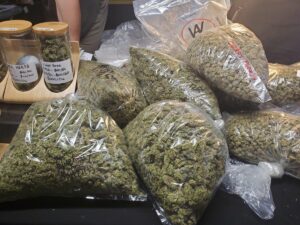
After harvesting, hemp typically undergoes drying, curing, and processing procedures designed to stabilize the plant and prepare it for extraction. These steps help preserve important compounds while reducing the risk of degradation during storage and transportation. Proper post-harvest management serves as an important bridge between agriculture and manufacturing, ensuring that extraction facilities receive material capable of meeting modern production standards.
Extraction Transforms Raw Hemp Into CBD Ingredients
Extraction represents one of the most technologically advanced segments of the CBD industry. During this stage, manufacturers separate valuable compounds from the hemp plant using specialized equipment and carefully controlled processes. Various extraction methods are utilized throughout the industry, each offering unique advantages in terms of efficiency, purity, scalability, and operational requirements.
Modern extraction facilities often resemble advanced manufacturing environments rather than traditional agricultural operations. Engineers, technicians, and production specialists work together to optimize extraction systems capable of producing consistent cannabinoid ingredients at commercial scale. This technological sophistication has played a major role in the industry’s growth, allowing businesses to create standardized ingredients suitable for a wide range of product applications.
Manufacturing Creates Consumer Ready Products
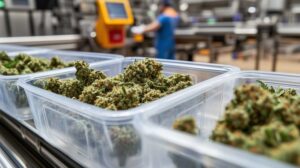
Once extracted ingredients are produced, manufacturers transform them into finished products designed for retail markets. This stage involves formulation development, quality control procedures, ingredient integration, packaging preparation, and production management. Manufacturers must balance product consistency, scalability, regulatory compliance, and consumer expectations while maintaining efficient operations.
The diversity of the modern CBD marketplace has encouraged significant innovation within manufacturing. Companies now develop products across numerous categories, including oils, capsules, beverages, skincare formulations, topicals, personal care products, and specialty consumer goods. This expansion has created a dynamic manufacturing environment where product development and innovation continue driving market growth.
Laboratory Testing Supports Transparency And Quality
As the CBD industry matured, laboratory testing became one of its most important quality assurance tools. Independent testing facilities analyze products for cannabinoid content, purity, consistency, and manufacturing accuracy. These processes help manufacturers verify product specifications while supporting transparency throughout the supply chain.
Testing also plays an important role in building consumer confidence. Modern consumers increasingly expect detailed information regarding product composition, sourcing, and manufacturing standards. As a result, laboratory verification has become a central component of industry best practices. Businesses that prioritize testing often strengthen their reputation while demonstrating a commitment to quality and accountability.
Distribution Connects Products To Consumers
Even the highest-quality product has little value if it cannot efficiently reach consumers. Distribution networks play a critical role in moving CBD products from manufacturing facilities to retailers, wholesalers, and end users. Logistics providers, fulfillment centers, transportation companies, and retail partners all contribute to this process, creating a network that supports product availability across multiple markets.
As the CBD industry expanded, distribution systems became increasingly sophisticated. Businesses invested in inventory management technologies, supply chain optimization strategies, and retail partnerships capable of supporting long-term growth. These developments have helped transform CBD into a mainstream commercial category with widespread consumer accessibility.
The CBD Supply Chain Continues To Evolve
The future of the CBD industry will depend heavily on the continued evolution of its supply chain. Advances in agriculture, extraction technology, manufacturing efficiency, laboratory science, and logistics will all contribute to the market’s ongoing development. Companies capable of improving transparency, consistency, and operational excellence will likely play significant roles in shaping the next generation of CBD products.
Understanding the CBD industry requires looking beyond the finished product and examining the infrastructure that makes it possible. From hemp fields and extraction facilities to laboratories and retail shelves, every stage of the supply chain contributes to the quality, reliability, and innovation that define the modern CBD marketplace. As the industry continues maturing, this interconnected ecosystem will remain one of its greatest strengths and one of the most important drivers of future growth.