Few industries have experienced a transformation as dramatic as cannabis cultivation. What was once driven primarily by traditional growing methods has evolved into a sophisticated agricultural sector supported by advanced technology, environmental controls, genetic innovation, and data-driven cultivation practices. Over the past decade, cultivators have fundamentally changed how cannabis is grown, harvested, processed, and evaluated, creating a new era of quality, consistency, and production efficiency throughout the industry.
The Early Days Of Cannabis Cultivation
For much of cannabis history, cultivation knowledge was shared through small communities of growers who relied heavily on experience, observation, and regional growing practices. While many cultivators developed exceptional expertise, access to research, technology, and large-scale agricultural infrastructure remained limited.
Growing environments varied significantly, resulting in considerable differences in product quality, yield potential, and cultivation consistency. As legal markets expanded, however, the industry began adopting more advanced production methods borrowed from commercial agriculture and horticulture.
The Rise Of Controlled Environment Agriculture
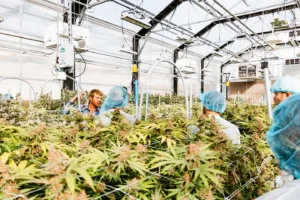
One of the most important developments in modern cannabis cultivation has been the widespread adoption of controlled environment agriculture. Rather than relying solely on seasonal conditions, cultivators now utilize sophisticated indoor and greenhouse facilities designed to maintain optimal growing environments throughout the cultivation cycle.
Temperature, humidity, airflow, irrigation, carbon dioxide levels, and lighting can now be monitored and adjusted with remarkable precision. This level of environmental control allows cultivators to improve consistency while reducing many of the variables that traditionally impacted crop quality.
Advanced Lighting Technologies
Lighting has become one of the most significant areas of innovation within cannabis cultivation. Traditional high-pressure sodium systems dominated cultivation facilities for many years, but advances in LED technology have dramatically changed how commercial cannabis is produced.
Modern lighting systems provide cultivators with greater efficiency, reduced energy consumption, improved environmental control, and the ability to fine-tune light spectrums throughout different stages of plant development. These innovations continue to influence cultivation strategies across the industry.
Precision Irrigation And Nutrient Management
Water management has also undergone significant transformation. Modern cultivation facilities increasingly utilize automated irrigation systems capable of delivering precise amounts of water and nutrients according to plant requirements.
Advanced monitoring tools allow cultivators to track substrate conditions, nutrient uptake, and environmental interactions with unprecedented accuracy. These technologies contribute to healthier plants, improved consistency, and more efficient resource utilization.
The Impact Of Genetic Innovation
The evolution of cultivation cannot be separated from advances in cannabis genetics. Breeders continue to develop cultivars with improved stability, terpene production, cannabinoid expression, cultivation performance, and disease resistance.
As genetic quality improves, cultivators gain access to plants capable of producing increasingly consistent results. The relationship between breeding and cultivation has become one of the primary drivers of quality improvements throughout the industry.
Data Driven Cultivation
Modern cannabis facilities increasingly rely on data collection and performance analysis to optimize production. Environmental sensors, cultivation software, automated controls, and integrated monitoring systems allow growers to make informed decisions based on measurable data rather than observation alone.
This shift toward data-driven cultivation has helped professional operators improve efficiency, reduce waste, and maintain higher standards across large-scale production environments.
Sustainability And Resource Efficiency
As the industry matures, sustainability has become an increasingly important focus. Many cultivators are investing in water conservation technologies, energy-efficient lighting systems, climate management improvements, and environmentally responsible production practices.
The pursuit of sustainability not only supports long-term operational success but also reflects the broader agricultural trends shaping modern cultivation industries around the world.
Quality Standards In Modern Cannabis Production
Today’s consumers expect greater consistency, transparency, and product quality than ever before. Cultivators have responded by implementing more rigorous quality control procedures, standardized operating practices, and sophisticated post-harvest handling protocols.
Every stage of production, from cultivation and harvesting to drying, curing, storage, and packaging, now plays a critical role in maintaining product integrity and meeting market expectations.
The Future Of Cannabis Cultivation
The next decade will likely bring even greater innovation to cannabis cultivation. Advances in genetic science, automation, artificial intelligence, environmental management, and agricultural technology continue to create new opportunities for cultivators seeking to improve quality and efficiency.
As cannabis production becomes increasingly sophisticated, cultivation will remain one of the most important foundations of the industry. Understanding this evolution provides valuable insight into the expertise, technology, and innovation required to produce the premium cannabis products available in today’s marketplace.