The modern cannabis industry bears little resemblance to the cultivation environments that existed only a generation ago. What was once largely dependent on manual labor, instinct, and traditional growing practices has evolved into one of the most technologically advanced sectors within modern agriculture. Across cultivation facilities, greenhouses, processing centers, and research laboratories, technology is reshaping nearly every stage of production. From artificial intelligence and environmental automation to data analytics and precision agriculture, today’s cannabis producers are leveraging sophisticated systems to improve consistency, efficiency, and product quality at unprecedented levels.
This transformation is occurring at a critical moment for the industry. As legal markets expand and competition intensifies, producers face increasing pressure to maximize output while maintaining strict quality standards. Technology offers a solution to many of these challenges by providing operators with deeper insights into cultivation performance, resource utilization, plant development, and operational efficiency. The result is an industry that is becoming increasingly data-driven, where decisions are informed not only by experience but also by real-time information and advanced analytical tools.
The Rise Of Precision Agriculture
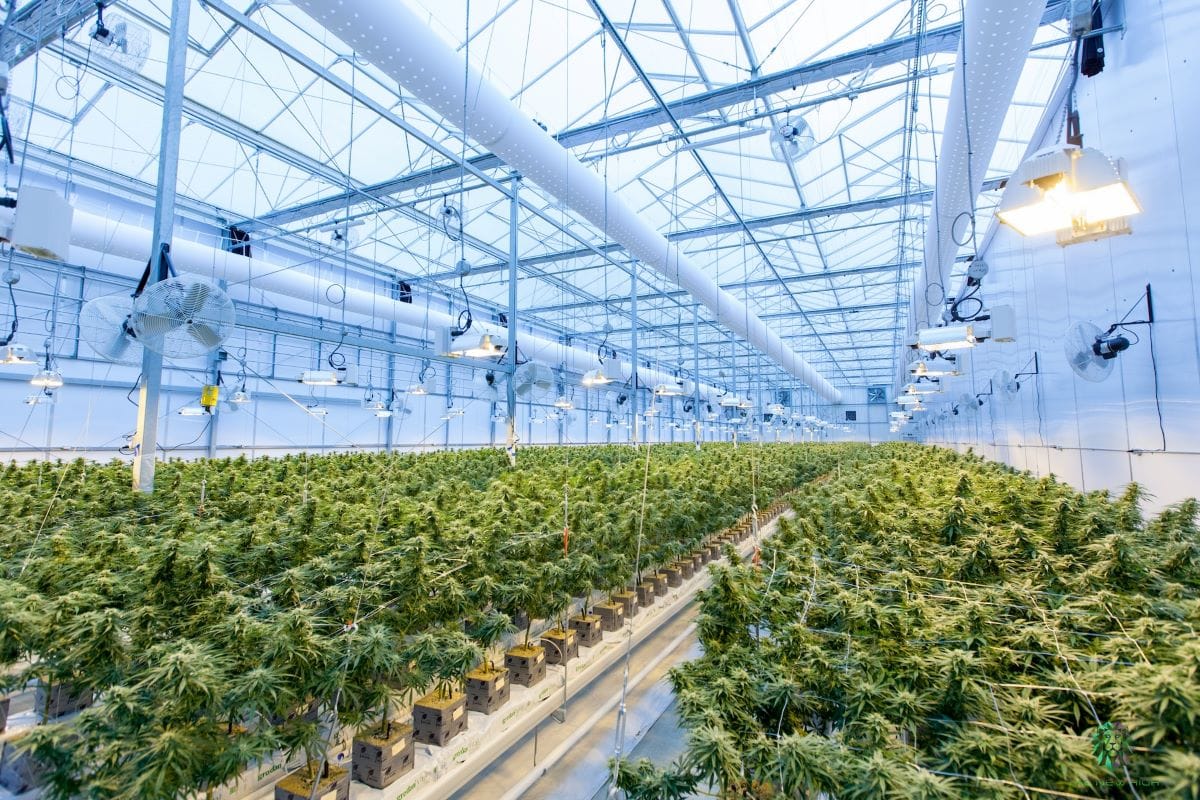
Few developments have had a greater impact on cannabis cultivation than the adoption of precision agriculture. Rather than treating cultivation as a uniform process, producers now have access to technologies capable of monitoring and managing individual variables with remarkable accuracy. Environmental conditions such as temperature, humidity, airflow, light intensity, and irrigation can be adjusted continuously to maintain optimal growing conditions throughout the cultivation cycle.
This level of precision allows operators to identify inefficiencies and respond quickly to changing conditions before they affect production outcomes. By reducing variability within cultivation environments, producers can improve consistency across harvests while optimizing resource use. As cultivation becomes increasingly competitive, precision agriculture is emerging as one of the most important tools available to modern producers seeking long-term operational advantages.
Artificial Intelligence Is Entering The Grow Room
Artificial intelligence is beginning to play a larger role throughout the cannabis industry. Advanced systems can analyze large volumes of cultivation data, identify patterns that may not be immediately visible to human operators, and generate recommendations designed to improve performance. These technologies are helping producers make more informed decisions regarding irrigation schedules, environmental management, production forecasting, and facility operations.
The value of artificial intelligence lies in its ability to process information at a scale that would be difficult to achieve manually. As cultivation facilities become larger and more complex, AI-powered systems are expected to become increasingly common. While human expertise remains essential, artificial intelligence is providing growers with powerful new tools capable of supporting more efficient and consistent production strategies.
Environmental Control Systems Are Redefining Consistency
One of the greatest challenges in cultivation has always been maintaining stable environmental conditions. Modern environmental control systems have transformed this aspect of production by allowing operators to monitor and manage cultivation environments with extraordinary precision. Sophisticated software platforms now integrate lighting systems, climate controls, irrigation infrastructure, and airflow management into unified operating systems capable of responding automatically to changing conditions.
The benefits extend beyond convenience. Consistent environments contribute directly to product quality, operational efficiency, and long-term facility performance. As consumer expectations continue to rise, the ability to maintain precise environmental control is becoming a critical factor in determining which producers can consistently deliver premium products. Facilities that invest in advanced environmental technologies often gain significant advantages in both quality assurance and production reliability.
Data Is Becoming One Of The Industry’s Most Valuable Resources
Data has become a strategic asset across nearly every major industry, and cannabis is no exception. Cultivation facilities now generate enormous amounts of information related to plant performance, environmental conditions, production cycles, resource consumption, and operational efficiency. When properly analyzed, this information provides valuable insights that can improve decision-making throughout the production process.
Forward-thinking operators increasingly rely on data-driven strategies to optimize performance and identify opportunities for improvement. Historical cultivation records, predictive analytics, and performance benchmarking tools allow businesses to make adjustments based on evidence rather than assumptions. As technology continues to evolve, the role of data within cannabis production is expected to expand even further, influencing everything from cultivation planning to long-term business strategy.
Automation Is Changing The Economics Of Production
Automation is emerging as one of the most important factors influencing the future economics of cannabis production. Labor remains one of the largest expenses for many cultivation and processing operations, prompting businesses to explore technologies capable of improving efficiency while reducing repetitive manual tasks. Automated trimming systems, packaging equipment, monitoring technologies, and facility management platforms are helping operators streamline workflows and allocate resources more effectively.
The adoption of automation does not eliminate the need for skilled professionals. Instead, it allows employees to focus on higher-value activities that require expertise and judgment. As production facilities continue to scale and market pressures increase, automation is likely to become an increasingly important component of competitive business strategies across the industry.
The Future Of Cannabis Production
The next decade is expected to bring even greater technological advancement to the cannabis sector. Innovations in robotics, machine learning, biotechnology, environmental engineering, and predictive analytics are already beginning to influence how facilities are designed and operated. These developments have the potential to improve sustainability, reduce costs, increase consistency, and support the production of increasingly sophisticated products.
Technology is no longer a supporting element within cannabis production. It has become one of the primary forces shaping the industry’s future. As competition intensifies and consumer expectations continue to evolve, the producers that successfully embrace innovation will be best positioned to lead the next phase of growth. The future of cannabis cultivation will not be defined solely by the quality of the plant itself but also by the technologies that help bring that quality to life at scale.