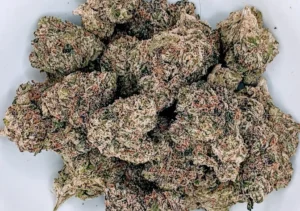

When people think about the cannabis industry, they often picture cultivation facilities, dispensaries, premium flower, or emerging product innovations. What remains largely invisible to the public is the enormous supply chain operating behind the scenes. From genetics and cultivation inputs to packaging, compliance, transportation, processing, distribution, and retail logistics, the movement of cannabis products involves one of the most complex operational networks in modern agriculture and consumer goods. As legal markets continue to expand around the world, the cannabis supply chain has become a critical component of industry growth, supporting thousands of businesses and creating an ecosystem that extends far beyond cultivation alone.
The global cannabis economy now generates billions of dollars in commercial activity each year, and every product that reaches a consumer has passed through multiple stages before arriving on a retail shelf. Each stage requires specialized expertise, regulatory compliance, infrastructure investment, and quality control measures designed to maintain product integrity. Understanding how this network operates provides valuable insight into the scale of the industry and highlights why supply chain efficiency is becoming one of the most important competitive advantages in modern cannabis markets.
The Journey Begins Long Before Cultivation
The cannabis supply chain starts well before a seed is planted or a clone enters a cultivation facility. Breeders, genetics companies, agricultural suppliers, irrigation manufacturers, environmental control providers, nutrient developers, and equipment manufacturers all contribute to the foundation upon which cultivation operations are built. Without access to reliable genetics and specialized production inputs, many commercial cultivation facilities would struggle to maintain the consistency required by today’s competitive marketplace.
As legal cannabis markets have matured, entire industries have emerged to support cultivation businesses. Companies now specialize in everything from greenhouse technology and lighting systems to cultivation software and environmental monitoring platforms. This upstream segment of the supply chain continues to expand as operators seek more efficient ways to improve production quality while managing operational costs in increasingly competitive environments.
Processing Has Become An Industry Of Its Own
Once cannabis is harvested, an entirely different segment of the supply chain begins to take shape. Drying, curing, trimming, extraction, manufacturing, testing, and packaging all represent specialized stages that require distinct expertise and infrastructure. What was once handled by small-scale operators is now often performed by dedicated processing facilities designed to meet strict regulatory and commercial standards.
The rise of concentrates, edibles, beverages, wellness products, and pharmaceutical-grade formulations has further increased the importance of processing operations. Manufacturers must navigate quality control requirements, product consistency standards, packaging regulations, and production efficiency challenges while maintaining the integrity of the raw materials they receive. As product categories continue to diversify, processing facilities are becoming some of the most sophisticated components of the modern cannabis economy.
The Challenge Of Distribution And Logistics
Distribution is one of the most underestimated segments of the cannabis supply chain. Unlike many traditional consumer goods industries, cannabis operators often face unique transportation restrictions, regulatory hurdles, and compliance requirements that vary significantly across jurisdictions. These challenges have created a specialized logistics sector focused exclusively on moving cannabis products safely and legally throughout the marketplace.
Efficient distribution networks play a major role in determining whether products reach consumers on time and in optimal condition. As markets expand and product variety increases, distributors are becoming increasingly important partners for cultivators, manufacturers, and retailers alike. Companies capable of building reliable logistics systems often gain substantial advantages within highly competitive markets where operational efficiency directly influences profitability.
Packaging Is More Important Than Most People Realize
Packaging serves a far greater purpose than simply presenting a product to consumers. It protects product quality, supports regulatory compliance, preserves freshness, communicates information, and plays a major role in brand positioning. As cannabis products become more sophisticated, packaging innovation has become an increasingly important area of investment throughout the industry.
Manufacturers are now exploring sustainable materials, child-resistant technologies, premium presentation standards, and advanced packaging systems designed to meet both consumer expectations and regulatory requirements. In many cases, packaging has evolved into a strategic business function that influences customer perception while helping companies differentiate themselves within crowded marketplaces.
Retail Represents The Final Link
The retail environment serves as the final connection between the supply chain and the consumer. Dispensaries, wellness retailers, specialty shops, and emerging e-commerce models all play important roles in shaping how products are presented, discovered, and purchased. Retailers must balance inventory management, product education, customer service, compliance obligations, and brand partnerships while responding to constantly changing consumer preferences.
As cannabis markets mature, retail operations are becoming increasingly sophisticated. Many businesses now utilize advanced analytics, inventory forecasting systems, customer experience strategies, and category management practices commonly found in major consumer industries. This evolution reflects the growing complexity of the market and demonstrates how the supply chain extends all the way to the consumer experience itself.
Why Supply Chains Will Define The Industry’s Future
As the cannabis industry continues expanding globally, the businesses that thrive may not always be those with the most recognizable brands or the largest cultivation facilities. Increasingly, success will depend on operational excellence across the entire supply chain. Companies that can improve efficiency, reduce costs, maintain quality standards, and adapt quickly to changing market conditions will be better positioned to compete in an increasingly sophisticated industry.
The future of cannabis will be shaped not only by genetics, innovation, and consumer demand but also by the infrastructure that connects every stage of production and distribution. Behind every successful product lies a network of businesses, technologies, and professionals working together to move cannabis from concept to consumer. Understanding that network reveals the true scale of the modern cannabis economy and highlights one of the industry’s most important yet often overlooked foundations.