
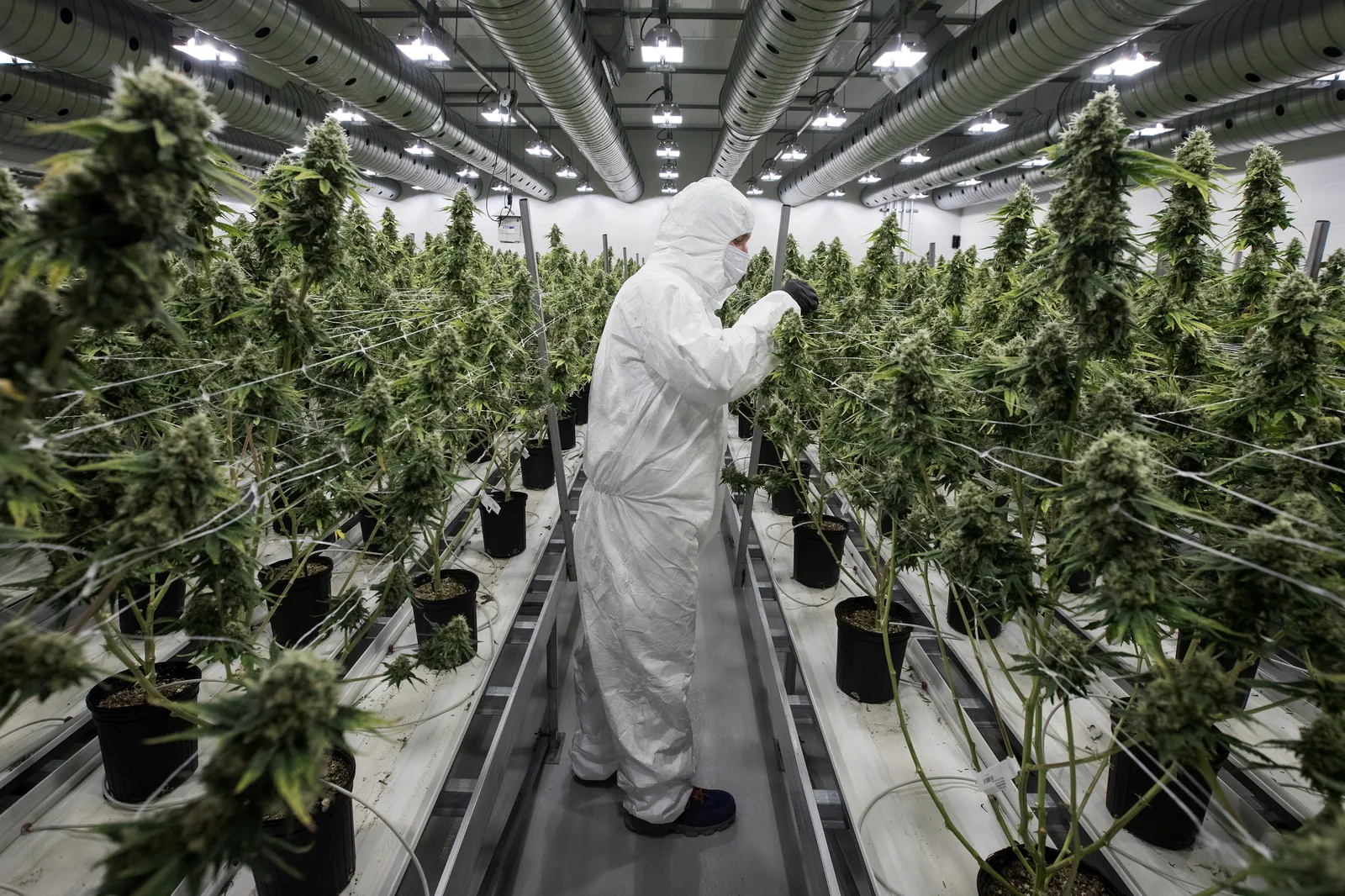
The cannabis industry is no longer defined by a handful of pioneering markets. What began as isolated legalization efforts has evolved into a global movement involving governments, investors, cultivators, researchers, pharmaceutical companies, manufacturers, and international trade organizations. As regulations continue to evolve, countries around the world are competing to establish themselves as leaders within one of the fastest-growing industries of the modern era.
The race for cannabis leadership extends far beyond legalization itself. Nations are now competing for investment, production capacity, scientific research, export opportunities, talent acquisition, and long-term economic influence. The countries that successfully balance innovation, regulation, and market development may ultimately become the dominant forces shaping the future of the global cannabis economy.
Why Global Leadership Matters
Cannabis has become more than a consumer product. It now intersects with agriculture, healthcare, biotechnology, manufacturing, logistics, retail, and international trade. This broad economic footprint has encouraged governments to examine how cannabis can contribute to job creation, tax revenue, foreign investment, and economic diversification.
Countries that establish strong regulatory frameworks early often gain significant advantages. They attract investors, encourage business development, and create environments where innovation can thrive. As a result, leadership within the cannabis sector increasingly translates into broader economic opportunities.
Canada: The First Major National Market
Canada remains one of the most influential countries in modern cannabis history. By becoming the first major industrialized nation to legalize cannabis nationally, Canada positioned itself as a global leader in production, regulation, and corporate development.
Many of the world’s largest cannabis companies originated in Canada, attracting billions in investment and helping establish industry standards that continue to influence markets worldwide. Although challenges have emerged as the market matured, Canada’s early leadership continues to shape global discussions surrounding legalization and regulation.
Germany’s Rise In Europe
Germany has become one of the most closely watched cannabis markets in the world. As Europe’s largest economy, its approach to cannabis policy has significant implications for the broader European region.
Beyond domestic demand, Germany’s influence stems from its ability to shape conversations around medical cannabis, regulatory frameworks, and future market expansion. Many industry observers view Germany as a potential gateway for broader cannabis development across Europe, making its policy decisions particularly important for businesses operating internationally.
The United States And Market Innovation
No country has contributed more to cannabis innovation than the United States. Despite the complexity of state-by-state regulations, the U.S. has become the birthplace of many of the industry’s most influential brands, cultivators, genetics companies, retailers, and product developers.
American markets have consistently driven innovation in cultivation techniques, breeding programs, product development, branding, and retail experiences. The influence of U.S. cannabis culture extends far beyond its borders, shaping consumer preferences and industry trends around the world.
Thailand And The Emerging Asian Opportunity
Thailand surprised many observers by becoming one of the first countries in Asia to embrace significant cannabis reforms. Its actions attracted international attention and sparked broader conversations about the future of cannabis throughout the region.
Asia represents one of the largest long-term opportunities for the global cannabis industry due to its population size, manufacturing capabilities, and economic influence. While regulatory approaches vary widely across the region, Thailand’s experience has demonstrated how rapidly cannabis conversations can evolve within emerging markets.
Uruguay’s Historical Significance
Although smaller in size than many other markets, Uruguay occupies a unique place in cannabis history. It became the first country in the world to legalize cannabis nationally, creating a model that would later influence policymakers in other regions.
Uruguay’s early adoption helped demonstrate that alternative regulatory approaches were possible. Its role in cannabis history continues to make it an important reference point in discussions surrounding legalization and market development.
The Importance Of Research And Science
Leadership within the cannabis industry is not determined solely by market size. Research institutions, universities, pharmaceutical companies, and biotechnology firms also play a critical role in shaping the future of the sector.
Countries investing heavily in scientific research often position themselves to influence product development, medical advancements, cultivation technologies, and regulatory standards. As cannabis research expands, scientific leadership may become just as important as commercial success.
Export Markets And International Trade
One of the next major battlegrounds for cannabis leadership is international trade. Countries capable of producing high-quality products at scale may gain significant advantages as global trade opportunities continue to develop.
Export-focused markets are already investing in cultivation infrastructure, manufacturing capabilities, and regulatory compliance systems designed to support future growth. As international commerce expands, trade relationships may become one of the most important factors influencing global cannabis leadership.
Who Will Lead The Next Decade?
The future cannabis industry is unlikely to be dominated by a single country. Instead, leadership will likely emerge across multiple areas including cultivation, genetics, technology, research, manufacturing, and international trade.
Canada may continue leading corporate development. The United States may remain the center of innovation. Germany could shape European expansion. Emerging markets may create entirely new opportunities that are difficult to predict today.
What is certain is that the global race for cannabis leadership has only just begun. The decisions being made today by governments, businesses, researchers, and investors will play a major role in determining which countries define the future of one of the world’s most dynamic industries.