Design has always reflected cultural change. Throughout history, emerging industries have influenced architecture, branding, fashion, packaging, retail environments, and consumer experiences in ways that extend far beyond the products themselves. The cannabis industry is now experiencing a similar transformation. As legal markets mature and public perceptions evolve, cannabis is becoming a source of inspiration for designers, architects, creative agencies, product developers, and cultural innovators seeking to redefine how the industry is presented to modern audiences. What was once associated with a limited visual identity is now helping shape some of the most sophisticated design concepts emerging within contemporary consumer culture.
This evolution is not simply about aesthetics. Design plays a critical role in how consumers understand products, engage with brands, and navigate experiences. As cannabis becomes increasingly integrated into mainstream commerce, companies are investing heavily in visual storytelling, retail architecture, product packaging, and creative branding strategies that reflect changing consumer expectations. The result is an industry that is rapidly becoming a fascinating case study in how design can influence perception, build trust, and create meaningful cultural relevance.
The Transformation Of Cannabis Branding
In the early stages of legalization, many cannabis brands focused primarily on visibility and market recognition. As competition increased, however, branding evolved into a far more sophisticated discipline. Today’s leading companies invest heavily in visual identity systems that communicate professionalism, quality, authenticity, and differentiation. Logos, typography, packaging structures, photography, and digital experiences are all carefully developed to create cohesive brand ecosystems capable of resonating with increasingly selective consumers.
This shift reflects a broader movement occurring across consumer industries where branding serves as both a communication tool and a cultural statement. Cannabis brands are no longer simply selling products. They are creating identities that consumers choose to associate with. The strongest brands often succeed because they understand how visual language influences perception and how thoughtful design can establish long-term emotional connections with audiences.
Retail Spaces Are Becoming Design Destinations
One of the most visible examples of design’s influence within cannabis can be seen in the evolution of retail environments. Modern cannabis retailers increasingly resemble luxury boutiques, contemporary galleries, premium wellness stores, or high-end hospitality venues rather than traditional retail outlets. Architectural design, lighting, material selection, spatial planning, and customer flow have become essential components of the consumer experience.
These environments are designed to encourage exploration, comfort, and engagement while helping consumers feel more confident navigating an increasingly sophisticated product landscape. Retail spaces have become extensions of brand identity, allowing companies to communicate values and quality standards through physical experiences. As the industry matures, innovative retail design is likely to remain a major differentiator for businesses seeking to stand out within competitive markets.
Packaging Has Become A Creative Discipline
Few elements influence purchasing decisions as directly as packaging. In today’s cannabis industry, packaging functions as both a practical necessity and a creative medium. Companies invest significant resources into creating packaging systems that balance compliance requirements with aesthetics, functionality, sustainability, and brand consistency.
The most successful packaging designs often achieve far more than product protection. They tell stories, communicate quality, and contribute to the overall consumer experience. As cannabis products become more refined and consumer expectations continue to rise, packaging innovation has become one of the most important intersections between creativity and commerce. This trend mirrors developments in industries such as luxury cosmetics, specialty foods, and premium beverages where packaging often serves as a key expression of brand value.
Cannabis Is Influencing Contemporary Creative Industries
The influence of cannabis now extends well beyond retail and product development. Designers, photographers, filmmakers, illustrators, digital artists, and creative agencies increasingly engage with cannabis-related projects that explore culture, lifestyle, identity, and innovation. This creative activity is helping redefine how cannabis is represented within media while contributing to a broader cultural shift surrounding the industry’s image.
Creative professionals are drawn to cannabis not only because of the industry’s growth but also because of the opportunities it presents for storytelling and experimentation. As legal markets continue expanding, cannabis is becoming an increasingly visible presence within contemporary design culture, inspiring new forms of visual communication and creative expression across multiple disciplines.
The Role Of Architecture In The Industry’s Evolution
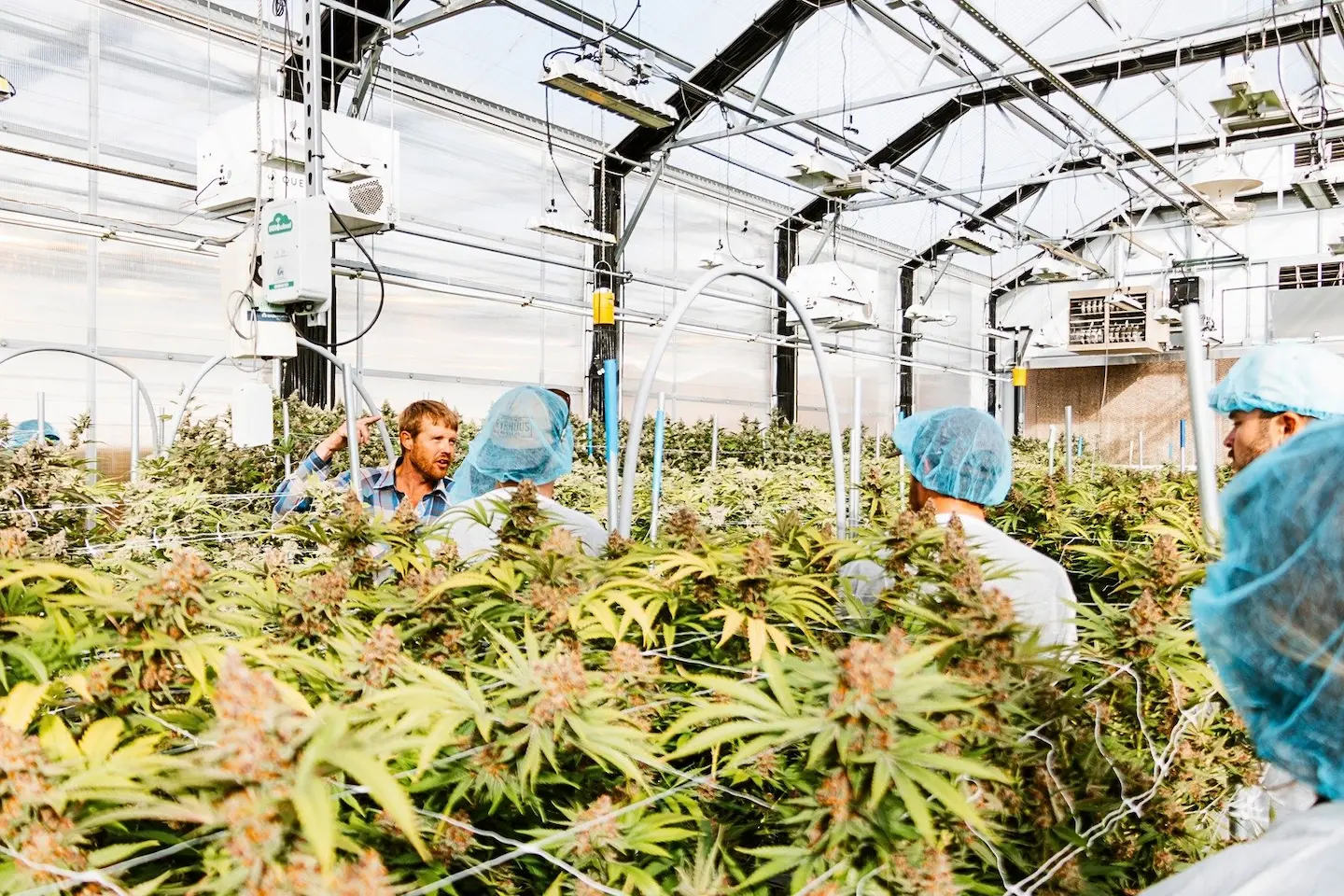
Architecture is playing an increasingly important role in shaping how consumers experience cannabis. From cultivation facilities and manufacturing centers to retail destinations and hospitality concepts, architectural design influences both functionality and perception. Businesses are investing in spaces that reflect professionalism, transparency, and innovation while supporting operational efficiency and customer engagement.
As the industry grows, architecture will continue serving as a bridge between business objectives and consumer experiences. Well-designed spaces communicate credibility and help normalize cannabis within broader commercial environments. In many ways, architecture is becoming an important tool for expressing the maturity and evolution of the modern cannabis industry.
Design Will Continue Shaping The Future Of Cannabis
The future of cannabis will not be defined solely by cultivation advances, product innovation, or regulatory developments. Design will remain a powerful force influencing how consumers interact with products, brands, and experiences. As markets become more competitive, companies capable of combining quality products with exceptional design thinking will be better positioned to build loyalty and establish lasting cultural relevance.
Cannabis has entered a stage of development where creativity and commerce are increasingly interconnected. The industry’s influence on design, architecture, branding, and visual culture is likely to continue expanding as new generations of consumers seek products and experiences that reflect their values, tastes, and lifestyles. What makes this evolution particularly fascinating is that it demonstrates how an industry can shape culture not only through what it sells but also through how it presents itself to the world.