
Cannabinoids are among the most important compounds found within the cannabis plant and play a central role in the development of modern cannabis products. While THC and CBD remain the most widely recognized cannabinoids, advances in cannabis research and product innovation have brought growing attention to a broader range of naturally occurring compounds. Understanding cannabinoids provides valuable insight into how cannabis products are developed, categorized, and differentiated within today’s rapidly evolving marketplace.
What Are Cannabinoids?
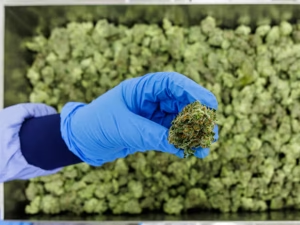
Cannabinoids are naturally occurring compounds produced by the cannabis plant. Researchers have identified more than one hundred cannabinoids, each possessing unique chemical structures and characteristics. These compounds are synthesized within the plant’s trichomes and contribute to the complex chemical profile that makes cannabis one of the most studied botanical products in the world.
Modern cannabis breeding and extraction technologies have made it possible to isolate, refine, and formulate cannabinoids in ways that were not possible only a decade ago, leading to significant innovation throughout the industry.
THC: The Most Recognized Cannabis Cannabinoid
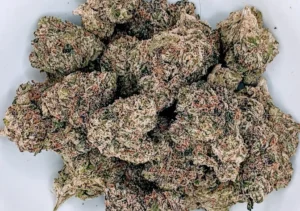
Tetrahydrocannabinol, commonly known as THC, remains one of the most recognized cannabinoids in cannabis. THC is widely featured across flower, concentrates, edibles, vape products, oils, and other cannabis categories.
As cannabis cultivation and breeding have advanced, producers have developed cultivars with increasingly diverse cannabinoid profiles, allowing consumers access to products that vary significantly in composition and characteristics. Today, THC continues to be a major focus within product development, cultivation programs, and consumer education.
CBD: Expanding The Cannabis Marketplace
Cannabidiol, commonly known as CBD, has become one of the most influential cannabinoids within the modern cannabis industry. The rapid growth of CBD products has helped introduce millions of consumers to cannabinoids through oils, gummies, capsules, topicals, beverages, and specialty formulations.
The popularity of CBD has also encouraged greater public awareness of cannabis science, cannabinoid diversity, and product transparency. As a result, CBD has become one of the most commercially significant compounds within the broader cannabis marketplace.
The Rise Of Minor Cannabinoids
While THC and CBD dominate consumer awareness, researchers and manufacturers have increasingly focused on a growing group of compounds commonly referred to as minor cannabinoids. These cannabinoids are typically present in smaller concentrations within the cannabis plant but have become an important area of interest for breeders, cultivators, extraction specialists, and product developers.
As consumer demand evolves, many manufacturers are exploring innovative formulations that incorporate a broader range of cannabinoids into modern cannabis products.
CBG: The Parent Cannabinoid
Cannabigerol, or CBG, is often referred to as the parent cannabinoid because many other cannabinoids originate from precursor compounds produced during plant development. Advances in breeding and cultivation have allowed growers to develop cultivars with increased CBG content, contributing to the growing availability of CBG-focused products throughout the market.
CBN: An Emerging Category
Cannabinol, commonly known as CBN, has become increasingly visible within modern cannabis product development. As cannabinoid innovation continues to accelerate, CBN has emerged as a compound frequently incorporated into specialty formulations alongside THC, CBD, and other cannabinoids.
The growing popularity of CBN reflects the industry’s broader movement toward cannabinoid diversity and advanced product formulation.
CBC And Other Emerging Cannabinoids
Cannabichromene, or CBC, represents another example of how cannabis science continues to uncover new opportunities within the plant. Alongside compounds such as THCV, CBDV, and other emerging cannabinoids, CBC contributes to ongoing research and innovation across cultivation, extraction, and product manufacturing.
These developments continue to expand the possibilities available to both producers and consumers throughout the cannabis industry.
How Cannabinoids Shape Modern Cannabis Products
Cannabinoids now influence virtually every category within the cannabis marketplace. Flower products are often evaluated based on cannabinoid composition. Concentrates are frequently developed to highlight specific cannabinoid profiles. Edibles, vape products, oils, capsules, and specialty formulations increasingly incorporate diverse cannabinoid blends designed to support product differentiation and innovation.
As product development becomes more sophisticated, cannabinoid composition continues to play an increasingly important role in how products are formulated, marketed, and understood by consumers.
The Future Of Cannabinoid Innovation
The cannabis industry is entering an era defined by scientific discovery, genetic advancement, and cannabinoid diversification. Researchers, cultivators, manufacturers, and breeders continue to explore new ways of utilizing cannabinoids while improving product consistency, transparency, and quality standards.
As knowledge continues to expand, cannabinoids will remain at the center of cannabis innovation, shaping future product categories, cultivation strategies, and consumer education across the global cannabis marketplace.