
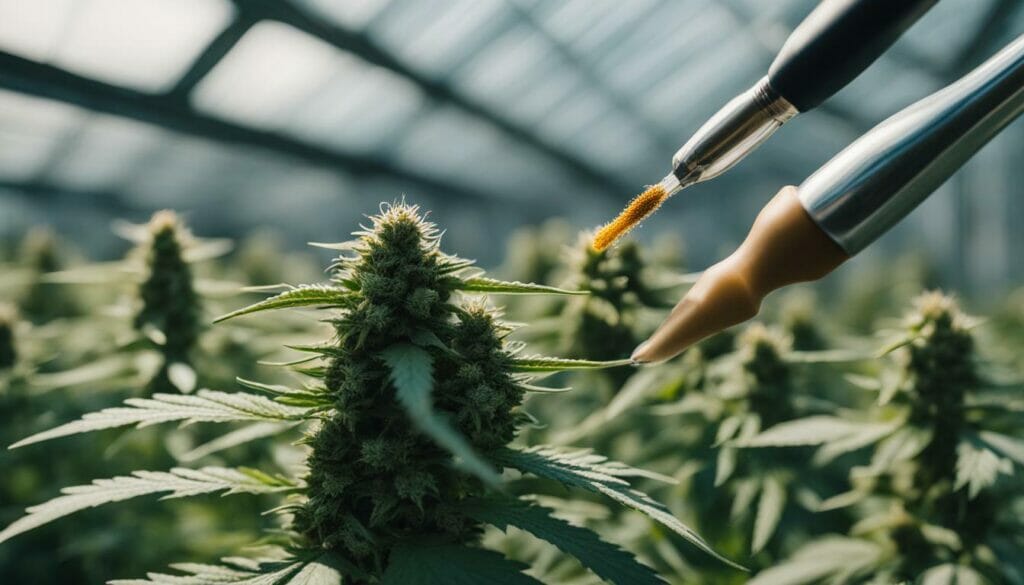
Every cannabis product begins with genetics. Behind every celebrated cultivar, award-winning flower, and commercially successful strain lies years of breeding, selection, and genetic development. While many consumers focus on cannabinoids, terpene profiles, and product categories, cannabis genetics remain the foundation upon which the entire industry is built. Understanding how modern breeding programs operate provides valuable insight into the innovation, expertise, and scientific advancement that continue to shape today’s cannabis marketplace.
Why Genetics Matter In Cannabis Cultivation
Genetics influence virtually every aspect of cannabis cultivation and product development. Plant structure, growth characteristics, cannabinoid production, terpene expression, flowering time, yield potential, disease resistance, and overall cultivation performance are all heavily influenced by genetics.
For cultivators, selecting the right genetics can be one of the most important decisions in the production process. Strong genetics help establish consistency, predictability, and quality throughout the cultivation cycle, making them a critical component of successful cannabis operations.
As the industry continues to mature, genetic quality has become one of the primary factors separating premium cannabis products from average offerings.
The Evolution Of Cannabis Breeding
Cannabis breeding has advanced dramatically over the past several decades. Early cultivation efforts often focused on preserving regional landrace varieties that evolved naturally within specific geographic environments. Over time, breeders began selectively crossing desirable plants to combine favorable characteristics into new cultivars.
This process of selective breeding has transformed the cannabis industry. Modern breeding programs now focus on stabilizing genetics, enhancing terpene production, improving cannabinoid profiles, increasing cultivation efficiency, and developing entirely new genetic expressions that meet evolving market demand.
Many of today’s most recognized strains are the result of years of careful breeding, selection, and refinement.
Understanding Landrace Genetics
Landrace cannabis varieties represent some of the earliest known genetic foundations of modern cannabis breeding. These naturally adapted populations developed over generations within specific regions and climates, creating unique characteristics that continue to influence breeding programs today.
Landrace genetics from regions such as Afghanistan, Colombia, Thailand, Mexico, India, and parts of Africa have contributed significantly to the genetic diversity found throughout modern cannabis cultivation. Many breeders continue to preserve and utilize these genetics as valuable resources for future development.
The Rise Of Hybrid Cultivars
Modern cannabis is largely defined by hybridization. Breeders routinely combine genetics from multiple lineages to create cultivars that express desirable characteristics from both parent plants.
This approach has produced many of the most successful strains in the industry. Through careful selection and stabilization, breeders are able to develop cultivars that exhibit unique terpene profiles, distinctive visual characteristics, improved cultivation performance, and strong commercial appeal.
Hybrid breeding remains one of the most important drivers of innovation within cannabis cultivation today.
Phenotype Hunting And Genetic Selection
One of the most important aspects of modern breeding is phenotype hunting. When breeders grow a population of genetically related plants, each individual may display slightly different characteristics despite sharing the same lineage.
Breeders evaluate these plants according to criteria such as vigor, structure, aroma, resin production, terpene expression, cannabinoid content, yield potential, and overall quality. Exceptional individuals are then selected for further breeding, preservation, or commercial release.
This process plays a critical role in identifying the genetics that eventually become some of the industry’s most sought-after cultivars.
Breeders Shaping The Modern Cannabis Industry
Several breeding organizations have played a major role in shaping contemporary cannabis genetics. Companies and breeders such as Seed Junky Genetics, DNA Genetics, Compound Genetics, Humboldt Seed Company, Green House Seed Co., Barney’s Farm, Dutch Passion, and Royal Queen Seeds have helped introduce many influential cultivars and breeding lines into the global market.
Their work continues to influence cultivation programs, commercial production, and future genetic development across the industry.
The Genetics Behind Popular Modern Strains
Many of today’s most recognizable cultivars can trace their origins to sophisticated breeding programs focused on terpene development, cultivation performance, and market demand.
Strains such as Gelato, Runtz, Zkittlez, Biscotti, Jealousy, RS11, Permanent Marker, Wedding Cake, Blue Lobster, and Super Boof illustrate how modern breeding has evolved beyond simple plant selection into a highly specialized discipline combining science, experience, and innovation.
These cultivars have not only achieved commercial success but have also influenced countless future breeding projects.
The Future Of Cannabis Genetics
The future of cannabis cultivation will be heavily influenced by advances in genetic science, breeding technology, and plant research. Breeders continue to explore new methods for improving stability, enhancing terpene diversity, refining cannabinoid production, and developing cultivars capable of meeting the demands of an increasingly sophisticated marketplace.
As cannabis research expands and breeding techniques become more advanced, genetics will remain at the center of industry innovation. Understanding the role of genetics helps reveal the complexity and craftsmanship behind every cannabis product while highlighting the scientific progress that continues to drive the evolution of modern cannabis cultivation.