
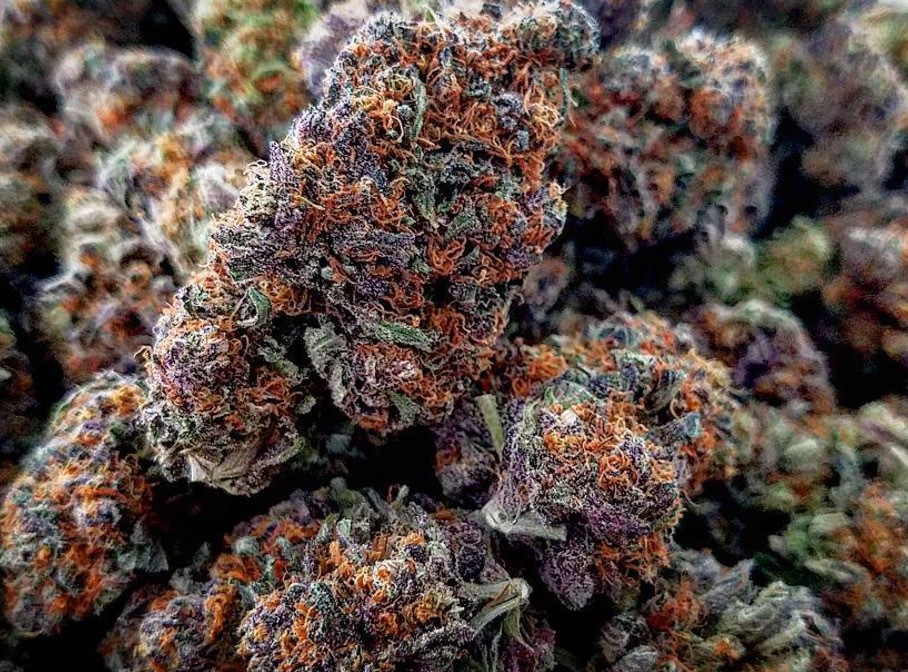
Over the past decade, few segments of the cannabis industry have generated as much attention as exotic cannabis. Once considered a niche category reserved for dedicated enthusiasts, exotic strains have become some of the most influential products in the modern marketplace. They shape consumer demand, inspire breeding projects, influence cultivation trends, and often command significant attention across dispensaries, social media, and cannabis communities worldwide. Understanding what makes a strain exotic provides valuable insight into the genetics, innovation, and market forces driving today’s premium cannabis industry.
What Makes A Cannabis Strain Exotic?
The term “exotic” is frequently used throughout the cannabis market, but truly exotic strains possess characteristics that distinguish them from conventional cultivars. These strains are often recognized for their unique genetic backgrounds, rare terpene profiles, striking visual appeal, and limited availability.
Unlike standard commercial cultivars, exotic strains are typically developed through extensive breeding programs focused on producing distinctive characteristics that stand apart from established market offerings. As a result, exotic cannabis often becomes associated with innovation, exclusivity, and consumer curiosity.
The Role Of Genetics In Exotic Cannabis
Exceptional genetics sit at the center of every successful exotic strain. Breeders spend years selecting parent plants, stabilizing desirable characteristics, and refining cultivars capable of introducing something genuinely different to the market.
Many of today’s most influential exotic strains can trace their origins to advanced breeding programs developed by organizations such as Seed Junky Genetics, Compound Genetics, Wizard Trees, Deep East, DNA Genetics, and other respected innovators within the cannabis breeding community.
These breeders continue to push genetic boundaries by creating cultivars that offer new terpene combinations, visual characteristics, and cultivation traits.
Why Terpenes Drive Exotic Demand
One of the most defining characteristics of exotic cannabis is terpene diversity. While cannabinoids remain important, many consumers are drawn to exotic strains because of their distinctive aromatic identities.
Modern exotic cultivars frequently feature profiles inspired by:
* Tropical fruits
* Candy
* Citrus
* Gas
* Dessert flavors
* Creamy notes
* Floral characteristics
* Complex botanical combinations
The ability to create unique terpene expressions has become one of the most important goals within modern breeding programs and remains a major factor influencing consumer demand.
The Influence Of Cannabis Culture
Exotic strains have become deeply connected to contemporary cannabis culture. New cultivar releases often generate significant attention among enthusiasts, collectors, cultivators, and retailers seeking access to the latest genetics.
Unlike traditional cannabis varieties that gained popularity through regional cultivation, many modern exotic strains achieve recognition through breeder reputation, consumer interest, product quality, and cultural influence. This relationship between genetics and culture has helped transform exotic cannabis into one of the most dynamic sectors of the industry.
Strains That Defined The Exotic Era
Several cultivars have played important roles in shaping the rise of exotic cannabis.
Notable examples include:
* Gelato
* Runtz
* Zkittlez
* Biscotti
* Jealousy
* RS11
* Permanent Marker
* Rainbow Belts
* Super Boof
* Blue Lobster
These genetics helped establish new expectations regarding terpene quality, visual appeal, and consumer demand while inspiring countless future breeding projects.
The Rise Of Elite Cannabis Brands
The growth of exotic cannabis has also been driven by influential cultivators and brands that consistently introduce premium genetics to the marketplace.
Companies such as Cookies, Alien Labs, Connected Cannabis, Wizard Trees, Doja Pak, Wonderbrett, Backpack Boyz, Preferred Gardens, and Deep East have become closely associated with modern exotic cannabis culture. Through strategic breeding partnerships and strong quality standards, these organizations have helped bring many influential cultivars to consumers around the world.
Their success demonstrates the increasing importance of brand identity within the premium cannabis market.
Scarcity Creates Demand
One of the defining characteristics of exotic cannabis is limited availability. Many sought-after cultivars are released in small quantities or remain available only through select cultivation programs.
This scarcity often increases consumer interest and contributes to a strain’s reputation within the market. Similar patterns can be observed throughout luxury industries where exclusivity frequently enhances perceived value and demand.
In cannabis, scarcity often works alongside quality and innovation to create lasting market appeal.
Why Exotic Genetics Continue To Shape The Industry
Exotic strains are more than temporary trends. Many of today’s most successful breeding projects originate from genetics that first gained recognition within the exotic category. As breeders continue to search for new terpene combinations, visual characteristics, and cultivation traits, exotic cannabis remains one of the industry’s most important engines of innovation.
The influence of these genetics extends far beyond individual cultivars, shaping future breeding strategies, consumer expectations, and product development across the broader cannabis marketplace.
The Future Of Exotic Cannabis
The demand for exceptional genetics shows no signs of slowing. As breeding technology advances and consumer knowledge expands, the next generation of exotic cannabis will likely become even more specialized, distinctive, and influential.
Understanding the relationship between genetics, terpene diversity, cultural influence, and market demand helps explain why exotic strains continue to dominate conversations throughout the cannabis industry. More than simply premium products, these cultivars represent the creativity, innovation, and ambition that continue to drive cannabis forward.