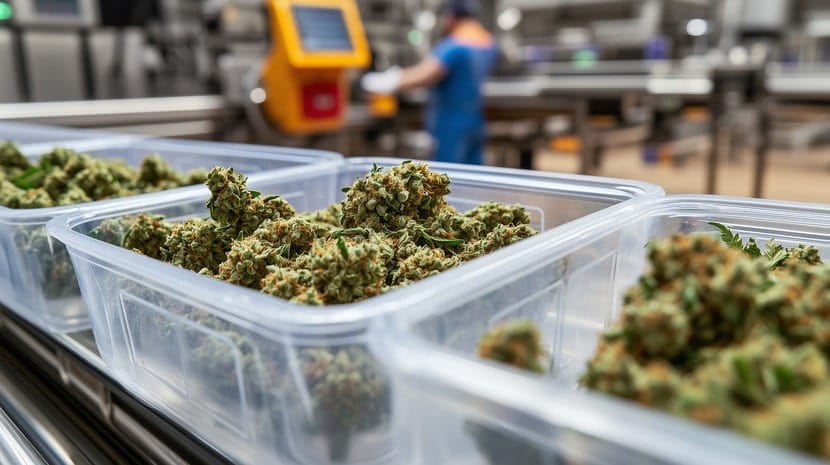
Few industries have expanded as rapidly as cannabis over the last two decades. What began as a small and fragmented market has evolved into a global industry involving large-scale cultivation facilities, advanced manufacturing operations, international supply networks, and sophisticated consumer brands. While this growth has created significant economic opportunities, it has also introduced important questions about environmental responsibility. As production scales and legal markets continue to expand, sustainability is becoming one of the most important conversations shaping the future of the cannabis industry.
Consumers, investors, regulators, and businesses are paying closer attention to how products are produced, packaged, and distributed. This shift reflects a broader global movement toward environmental accountability across agriculture, manufacturing, and consumer goods. Cannabis companies are increasingly recognizing that long-term success will require more than producing quality products. It will also depend on how efficiently they manage resources, reduce waste, and adapt to growing expectations surrounding sustainability and responsible business practices.
Water Management Is Becoming A Critical Priority
Water is one of the most valuable resources in modern agriculture, and cannabis cultivation is no exception. Whether grown indoors, in greenhouses, or outdoors, cannabis production relies heavily on effective water management strategies. As cultivation operations expand, businesses are investing in irrigation systems, water recycling technologies, and monitoring tools designed to improve efficiency while reducing unnecessary consumption.
In regions where water scarcity presents ongoing challenges, responsible resource management is becoming even more important. Producers that successfully optimize water usage are not only reducing operational costs but also strengthening their ability to operate sustainably over the long term. As environmental regulations become more sophisticated, water stewardship is expected to remain a central focus for cultivation businesses around the world.
The Energy Challenge Facing Modern Cultivation
Indoor cultivation has played a major role in the development of the cannabis industry, providing producers with precise control over environmental conditions and production cycles. However, maintaining these controlled environments often requires substantial energy consumption. Lighting systems, climate controls, ventilation equipment, and processing infrastructure can collectively create significant energy demands.
This challenge has encouraged many operators to explore more efficient technologies and alternative energy solutions. Advances in LED lighting, climate management systems, and renewable energy integration are helping facilities reduce consumption while maintaining production quality. As energy costs continue to influence profitability and environmental concerns gain greater attention, improving efficiency is becoming a strategic priority across the industry.
Sustainable Packaging Is Reshaping Consumer Expectations
Packaging has become one of the most visible sustainability challenges facing cannabis businesses. Regulatory requirements often necessitate specialized packaging solutions, yet consumers are increasingly concerned about waste, recyclability, and environmental impact. This tension has encouraged manufacturers and brands to seek alternatives capable of balancing compliance requirements with sustainability objectives.
Across the industry, companies are experimenting with recyclable materials, biodegradable components, reduced packaging designs, and more environmentally conscious production methods. These efforts reflect a growing understanding that packaging influences not only product presentation but also consumer perception. As sustainability becomes more important to purchasing decisions, packaging innovation is expected to play an increasingly influential role in brand strategy.
Environmental Responsibility Is Becoming A Competitive Advantage
Sustainability is no longer viewed solely as a regulatory consideration or corporate initiative. Increasingly, it is becoming a competitive differentiator. Consumers are paying closer attention to how companies source materials, manage resources, and address environmental challenges. Investors are also evaluating sustainability performance as part of broader assessments of long-term business viability and operational resilience.
Businesses that successfully integrate sustainability into their operations often strengthen their reputation while positioning themselves for future growth. This does not mean environmental responsibility is replacing profitability. Rather, many companies are discovering that efficient resource management, waste reduction, and responsible production practices can support both environmental and financial objectives simultaneously.
Innovation Is Driving Sustainable Solutions
Some of the most exciting developments in cannabis sustainability are emerging through innovation. New cultivation technologies, advanced monitoring systems, renewable energy projects, and resource optimization tools are helping businesses reduce environmental impact without sacrificing quality or productivity. What was once viewed as a challenge is increasingly becoming an opportunity for technological advancement and operational improvement.
The pace of innovation suggests that sustainability will continue influencing product development, facility design, and business strategy across the industry. Companies that invest early in sustainable technologies often gain valuable experience and operational advantages that become increasingly important as markets mature and expectations evolve.
The Future Of Sustainable Cannabis
The future cannabis industry will likely be judged not only by the quality of its products but also by the responsibility of its practices. As global attention surrounding environmental issues continues to increase, businesses throughout the cannabis ecosystem will face growing pressure to demonstrate measurable commitments to sustainability. Those capable of balancing innovation, profitability, and environmental stewardship will be best positioned to thrive in the years ahead.
Cannabis remains a relatively young industry compared to many established agricultural and consumer sectors. This presents a unique opportunity. Rather than correcting decades of outdated practices, the industry has the ability to build sustainability into its foundation as it grows. The decisions made today regarding energy use, water management, packaging, and environmental responsibility will help determine what kind of industry cannabis becomes tomorrow.