Cannabis breeding has come a remarkable distance in a relatively short period of time. What began as a process guided primarily by observation, patience, and selective cultivation has evolved into one of the most innovative fields within modern agriculture. Today’s breeders work with genetic libraries, advanced cultivation technologies, detailed lineage records, and sophisticated breeding strategies that would have been unimaginable to previous generations. Yet despite these advancements, many experts believe cannabis breeding is only beginning to realize its full potential. The strains that dominate future markets may differ dramatically from the cultivars available today.
The future of cannabis strain development will be shaped by a combination of science, technology, genetic preservation, consumer demand, and breeder creativity. As the industry matures, breeders are gaining access to tools that allow for more precise decision-making and a deeper understanding of plant genetics. At the same time, consumers are becoming increasingly sophisticated, encouraging breeders to pursue innovation beyond traditional goals. The result is an environment where cannabis genetics may evolve faster during the next decade than at any other period in the plant’s history.
Breeding Is Becoming More Precise
For much of cannabis history, breeding relied heavily on observation and experience. Breeders selected plants based on visible characteristics, cultivation performance, aroma development, and overall quality. While these skills remain essential, modern breeding is becoming increasingly data-driven and analytical.
Today’s breeders have access to more information than ever before. Genetic records, cultivation data, laboratory analysis, and detailed lineage tracking allow for more informed decision-making throughout the breeding process. This growing precision enables breeders to pursue specific objectives with greater confidence while reducing some of the uncertainty that traditionally accompanied long-term breeding projects.
Genetic Mapping Will Transform Breeding
One of the most exciting developments in modern cannabis science is the growing ability to study plant genetics at a deeper level. Genetic mapping provides researchers and breeders with valuable insights into how traits are inherited and expressed across generations. As this technology continues advancing, breeders may gain unprecedented control over cultivar development.
The implications are significant. Rather than relying exclusively on trial and error, breeders may increasingly use genetic information to identify promising combinations before breeding projects begin. This could accelerate innovation while helping preserve valuable traits that might otherwise be difficult to maintain. Genetic mapping has the potential to become one of the most transformative tools in cannabis history.
Preservation Will Become A Major Priority
The rapid pace of innovation creates exciting opportunities, but it also introduces risks. As breeders focus on developing new cultivars, some older genetic lines may become less common or disappear entirely. Preserving important genetics is therefore becoming an increasingly important objective within the cannabis community.
Seed banks, genetic archives, and preservation initiatives are helping protect valuable lineages for future generations. These efforts ensure that foundational genetics remain available for future breeding projects while safeguarding the diversity that makes cannabis such a unique and adaptable crop. The future of innovation depends partly on the industry’s ability to protect its genetic heritage.
Consumer Preferences Will Continue Shaping Development
Breeding has always been influenced by consumer demand, and this relationship is expected to grow even stronger. Modern consumers are increasingly interested in genetics, lineage, terpene diversity, visual appeal, cultivation quality, and overall strain identity. Their preferences influence which cultivars succeed and which breeding directions receive the most attention.
As education continues expanding throughout the cannabis marketplace, consumers may place greater emphasis on uniqueness, quality, and authenticity rather than simply following short-term trends. Breeders who understand these evolving preferences will be better positioned to create cultivars that resonate with future markets and establish long-term influence.
Technology Will Accelerate Innovation
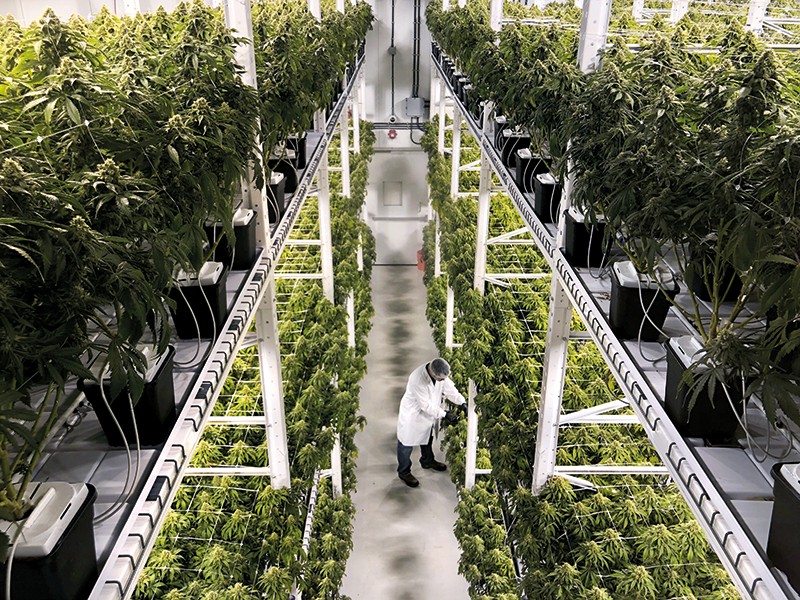
Technology is reshaping nearly every aspect of agriculture, and cannabis breeding is no exception. Advanced cultivation systems, environmental controls, data analytics, laboratory testing, and digital recordkeeping are already improving breeding efficiency and accuracy. Future technologies may provide even greater opportunities for innovation.
Artificial intelligence, predictive modeling, and advanced genetic analysis may eventually help breeders identify promising combinations more quickly than traditional methods alone. While technology will never replace the creativity and intuition that define great breeding, it will likely become an increasingly valuable partner in the development of future cultivars.
Global Collaboration Is Expanding Opportunities
Cannabis breeding is becoming more international with each passing year. Breeders from different regions now have greater opportunities to share knowledge, exchange genetics, and collaborate on projects that combine diverse expertise and perspectives. This global exchange continues expanding the possibilities available within modern cannabis genetics.
The result is a breeding landscape that is more dynamic and interconnected than ever before. International collaboration allows breeders to access a broader range of genetic resources while encouraging innovation that benefits the industry as a whole. Future breakthroughs may emerge from partnerships that span continents and combine knowledge from multiple breeding traditions.
The Next Generation Of Cultivars
Future cannabis strains are unlikely to resemble today’s cultivars in every respect. Breeders will continue exploring new combinations, refining existing genetics, and developing entirely new categories of cannabis. Some future cultivars may prioritize traits that are only beginning to attract attention today, while others may introduce characteristics that currently seem impossible.
What remains constant is the industry’s commitment to innovation. Every generation of breeders builds upon the work of those who came before, creating cultivars that reflect both tradition and progress. This continuous cycle of improvement ensures that cannabis genetics remain one of the most dynamic areas of agricultural development.
Why Diversity Will Remain Essential
No matter how advanced breeding becomes, diversity will remain one of the most important strengths of cannabis. Genetic diversity provides resilience, encourages innovation, and creates opportunities for future discovery. Without it, breeding progress would eventually stagnate.
Protecting diversity while pursuing innovation represents one of the industry’s greatest responsibilities. The most successful future breeding programs will likely balance exploration with preservation, ensuring that new developments do not come at the expense of valuable genetic resources. This balance will help maintain the long-term health and vitality of cannabis genetics.
The Future Is Still Being Written
The future of cannabis strain development is not defined by a single technology, trend, or breakthrough. It will emerge through the combined influence of science, breeder creativity, consumer demand, genetic preservation, and global collaboration. Together, these forces are shaping an industry that continues evolving at an extraordinary pace.
The strains that dominate future markets may not yet exist, but the foundations for their creation are already being established today. Every breeding project, every preserved lineage, and every technological advancement contributes to a future where cannabis genetics become even more diverse, sophisticated, and innovative. For breeders, cultivators, and consumers alike, the future of strain development represents one of the most exciting frontiers in the entire cannabis industry.