
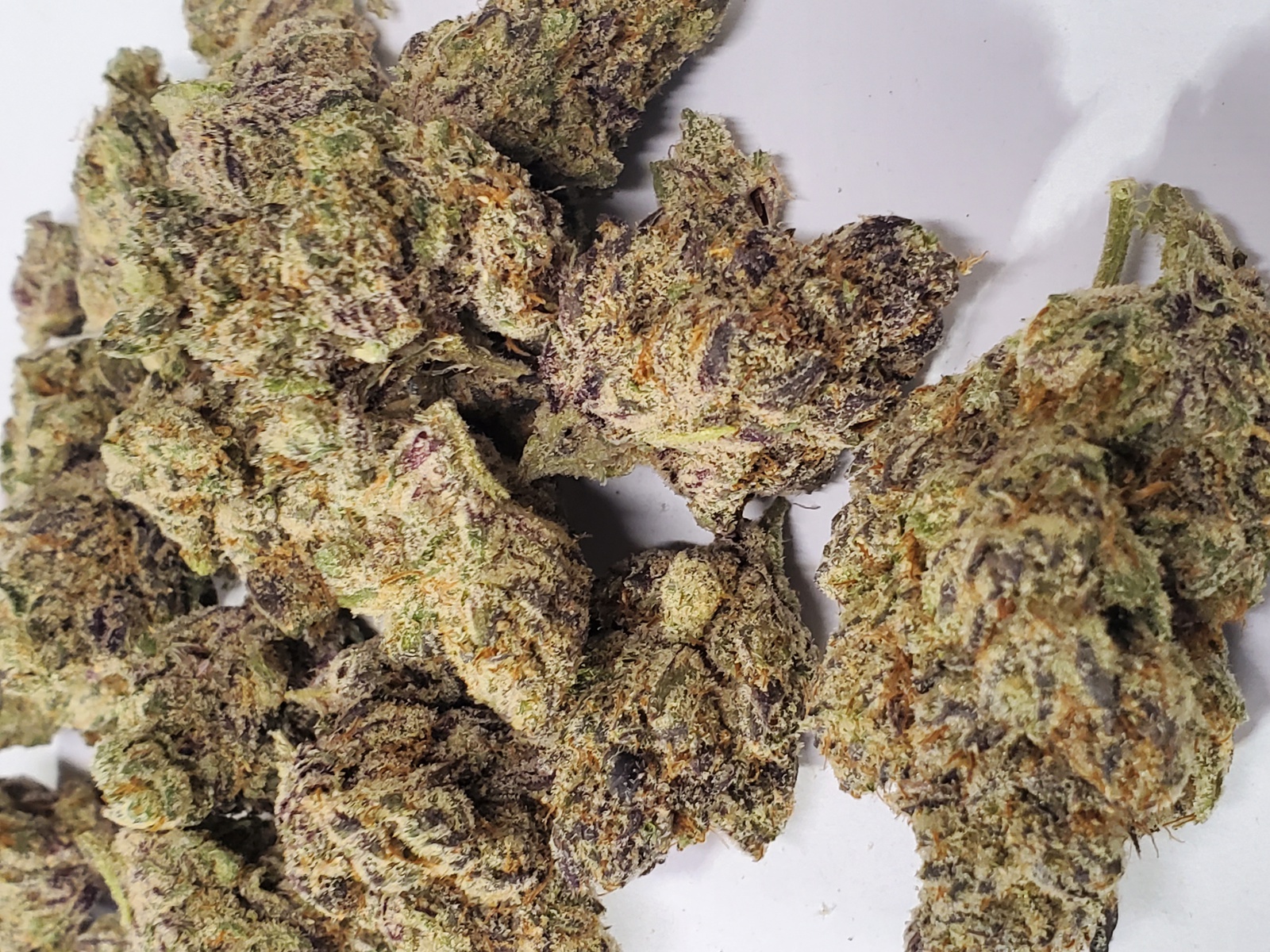
Modern cannabis may appear overwhelmingly diverse at first glance. Thousands of strains exist across global markets, each carrying its own name, reputation, appearance, and genetic profile. New cultivars emerge every year, adding further complexity to an already crowded landscape. Yet beneath this diversity lies a fascinating reality. Many of today’s most recognizable strains can trace portions of their ancestry back to a relatively small number of foundational genetic families. These families serve as the backbone of modern cannabis breeding, influencing everything from aroma and structure to market trends and consumer preferences.
Understanding genetic families is one of the most valuable steps toward truly understanding cannabis. While strain names often dominate conversations, lineage provides the deeper story. It reveals where cultivars came from, how they evolved, and why certain characteristics continue appearing across generations. Much like understanding the branches of a family tree, studying cannabis lineages helps connect individual strains to the larger genetic ecosystem that shaped them.
Why Genetic Families Matter
Every strain is the product of inherited traits. Breeders combine parent plants with the goal of preserving desirable characteristics while introducing new possibilities. Over time, particularly successful breeding projects give rise to genetic families that influence countless future cultivars. These families become recurring sources of innovation because they consistently contribute valuable traits to breeding programs.
The importance of genetic families extends far beyond historical interest. They help breeders predict outcomes, preserve important characteristics, and build future cultivars with greater precision. For consumers, understanding these families provides context that cannot be found by looking at strain names alone. It explains why certain cultivars feel related, why particular aroma profiles appear repeatedly, and why some genetic lines continue dominating the marketplace decades after their introduction.
The Kush Family And Its Lasting Influence
Few genetic families have influenced modern cannabis as profoundly as Kush. Originating from genetics associated with the mountainous regions of Central and South Asia, Kush cultivars eventually became some of the most sought-after breeding tools in the industry. Their influence expanded rapidly as breeders discovered their value in creating stable, marketable, and highly recognizable cultivars.
Today, Kush genetics appear throughout countless breeding projects around the world. Entire categories of modern strains owe portions of their identity to Kush ancestry. Its legacy can be seen not only in famous cultivars but also in the broader evolution of cannabis breeding itself. The continued popularity of Kush demonstrates how a single genetic family can shape an industry across generations.
The Haze Family Changed Breeding Possibilities
If Kush represents one major branch of cannabis evolution, Haze represents another. Haze genetics became legendary because they introduced characteristics that breeders found exceptionally valuable. Over time, Haze evolved into one of the most influential lineages in cannabis history, contributing to some of the industry’s most celebrated cultivars.
The significance of Haze lies in its ability to inspire innovation. Breeders repeatedly incorporated Haze genetics into new projects because they offered opportunities for exploration and refinement. Even today, Haze descendants continue influencing breeding programs and helping create cultivars that push cannabis genetics in new directions.
The Skunk Legacy
Few names carry as much historical significance in cannabis breeding as Skunk. More than a single strain, Skunk became a genetic foundation that helped shape modern cannabis cultivation and breeding practices. Its consistency and reliability made it highly attractive to breeders, encouraging widespread adoption across countless projects.
The influence of Skunk can still be found throughout modern cannabis lineages. Many cultivars contain genetic contributions that trace back to Skunk ancestry, whether directly or through multiple generations of breeding. Its enduring presence illustrates how foundational genetics can continue influencing the industry long after their initial introduction.
Diesel Genetics Created Their Own Movement
The emergence of Diesel genetics introduced a distinctive branch within the cannabis family tree. Diesel cultivars developed strong identities and gained widespread recognition among breeders and consumers alike. Their success encouraged extensive experimentation, resulting in numerous descendants that remain influential throughout the modern marketplace.
What makes Diesel particularly important is its contribution to diversity. Rather than simply reinforcing existing trends, Diesel genetics introduced new possibilities and expanded the range of characteristics available to breeders. This willingness to explore different genetic directions remains one of the defining strengths of cannabis breeding as a whole.
The Cookies Revolution
Modern cannabis would be difficult to imagine without the influence of Cookies genetics. Emerging during a period of rapid industry growth, Cookies quickly became one of the most commercially significant genetic families of the modern era. Breeders embraced its potential, leading to an explosion of new cultivars that continue shaping contemporary markets.
The impact of Cookies extends beyond genetics alone. It influenced consumer expectations, premium cannabis culture, branding strategies, and breeding priorities. Entire families of modern cultivars owe their existence to Cookies-related projects, making it one of the most transformative developments in recent cannabis history.
How Genetic Families Continue Evolving
One of the most fascinating aspects of cannabis genetics is that genetic families are never truly static. Every generation of breeding introduces new possibilities, allowing families to evolve and expand over time. Breeders continually combine established lineages with emerging cultivars, creating new branches that contribute fresh ideas to the cannabis gene pool.
This process ensures that cannabis remains dynamic rather than predictable. While foundational families continue providing structure, innovation occurs through the countless ways breeders reinterpret and refine those genetics. The result is an industry where tradition and experimentation coexist, driving continuous evolution.
Understanding The Cannabis Family Tree
For consumers, understanding genetic families provides a deeper appreciation for cannabis than strain names alone can offer. Rather than viewing cultivars as isolated products, it becomes possible to see them as part of an interconnected network shaped by decades of breeding history. Every strain represents a chapter within a much larger story of genetic exploration and development.
This perspective transforms how cannabis is understood. It reveals relationships that are often invisible at first glance and highlights the contributions of breeders who spent years building the foundations of modern genetics. Understanding lineages ultimately means understanding how cannabis became one of the most genetically diverse and innovative crops in the world.
The Future Of Cannabis Lineages
As breeding technology continues advancing, genetic families will remain central to cannabis development. New cultivars may emerge, new trends may dominate markets, and new breeding strategies may reshape the industry, but the importance of lineage will not disappear. Every future innovation will still be built upon genetic foundations established by previous generations.
The cannabis family tree will continue expanding, creating new branches while preserving the influence of legendary lineages. Understanding these genetic relationships is essential for anyone seeking a deeper knowledge of cannabis because lineages provide the roadmap that connects the industry’s past, present, and future.