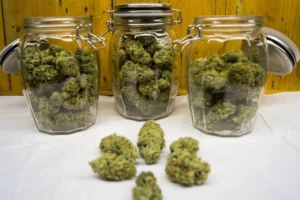

For decades, tourism has been driven by experiences. Travelers cross continents to explore food cultures, wine regions, music festivals, luxury resorts, historical landmarks, and unique local traditions. As the cannabis industry continues to expand around the world, a new segment of experiential travel is beginning to emerge alongside these established sectors. Cannabis tourism has evolved from a niche market into a rapidly growing travel category that is attracting entrepreneurs, hospitality operators, event organizers, and destination marketers alike. What was once considered a small subset of the tourism industry is now becoming part of a much larger conversation about consumer experiences, economic development, and the future of modern travel.
The growth of cannabis tourism reflects broader changes in traveler behavior. Modern tourists increasingly prioritize experiences over possessions, often choosing destinations based on culture, authenticity, and opportunities that cannot be replicated elsewhere. Cannabis-friendly destinations have recognized this shift and are developing tourism ecosystems that extend far beyond retail sales. Hotels, guided experiences, educational events, culinary programs, wellness retreats, and entertainment venues are all contributing to an expanding tourism economy built around cannabis culture and lifestyle experiences.
How Destinations Are Building Cannabis Tourism Economies
Some of the most successful tourism markets in the world are built around a single defining attraction. Napa Valley became synonymous with wine tourism. Scotland became famous for whisky tourism. Regions throughout Europe attract visitors through culinary traditions and cultural heritage. Cannabis is beginning to create similar opportunities for destinations willing to develop tourism infrastructure around legal markets and consumer experiences.
Cities and regions that embrace cannabis tourism often benefit from increased visitor spending across multiple sectors of the economy. Travelers require accommodations, transportation, dining, entertainment, and recreational activities. This creates opportunities for local businesses far beyond the cannabis industry itself. As more jurisdictions explore regulated cannabis markets, tourism is increasingly being viewed as a potential economic driver capable of generating substantial indirect benefits throughout local communities.
Events And Festivals Are Driving Global Interest
Few industries have embraced experiential events as effectively as cannabis. Across North America and other emerging markets, festivals, trade shows, exhibitions, educational conferences, and cultural gatherings continue attracting thousands of participants each year. These events create opportunities for consumers, businesses, investors, and enthusiasts to engage directly with the industry while contributing to local tourism activity.
Large-scale cannabis events often generate significant economic impact for host cities through hotel bookings, restaurant traffic, transportation services, and entertainment spending. More importantly, they help establish destinations as centers of cannabis culture and innovation. As legal markets continue to mature, events are likely to play an increasingly important role in attracting visitors and supporting tourism development.
Hospitality Is Adapting To A New Consumer Market
The hospitality sector has historically been quick to identify emerging consumer trends, and cannabis tourism is no exception. Hotels, resorts, private accommodations, and event venues are increasingly exploring ways to accommodate travelers interested in cannabis-related experiences. In some regions, businesses have developed specialized hospitality offerings designed specifically for cannabis consumers seeking unique and memorable travel experiences.
This evolution mirrors trends observed in other tourism segments where personalization and experience-driven travel have become key drivers of demand. Rather than offering standardized accommodations alone, hospitality operators are creating environments that align with broader lifestyle interests. Cannabis tourism represents one example of how the hospitality industry continues adapting to changing consumer preferences.
Culinary Experiences Are Expanding The Market
Food and tourism have always shared a close relationship. Many travelers choose destinations specifically to explore local culinary traditions, making gastronomy one of the most influential sectors within global tourism. Cannabis is increasingly finding its place within this landscape through curated dining experiences, educational culinary events, and innovative hospitality concepts that combine food culture with cannabis education and product exploration.
These experiences appeal not only to existing cannabis consumers but also to travelers interested in learning about emerging industries and local cultural developments. By integrating cannabis into broader culinary experiences, destinations create new opportunities to differentiate themselves within competitive tourism markets while appealing to experience-focused travelers.
The Economic Impact Extends Beyond Cannabis
One of the most important aspects of cannabis tourism is that its economic benefits extend far beyond cannabis businesses themselves. Hotels, restaurants, transportation providers, entertainment venues, retailers, and service companies all stand to benefit from increased visitor activity generated by cannabis-related travel. This broader impact helps explain why tourism is becoming an important consideration within many discussions surrounding cannabis policy and market development.
Economic diversification remains a priority for many regions seeking new sources of growth. Cannabis tourism offers an opportunity to attract visitors while supporting local businesses and encouraging investment across multiple sectors of the economy. For destinations looking to strengthen their tourism industries, cannabis may represent a valuable addition to existing attractions and experiences.
The Future Of Cannabis Travel
The future of cannabis tourism will likely be shaped by regulation, consumer demand, hospitality innovation, and the continued expansion of legal markets. As more destinations explore opportunities within this sector, competition is expected to increase, encouraging businesses and tourism organizations to develop increasingly sophisticated experiences capable of attracting global audiences.
Cannabis tourism remains in its early stages compared to established travel sectors, yet its growth trajectory suggests significant long-term potential. Much like wine tourism, culinary tourism, and wellness tourism before it, cannabis tourism is evolving into a distinct travel category with its own destinations, experiences, and economic opportunities. For travelers, businesses, and destinations alike, it represents one of the most fascinating developments within the modern tourism landscape.