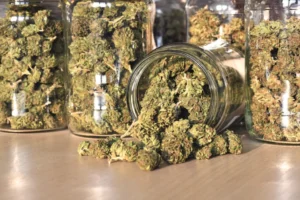
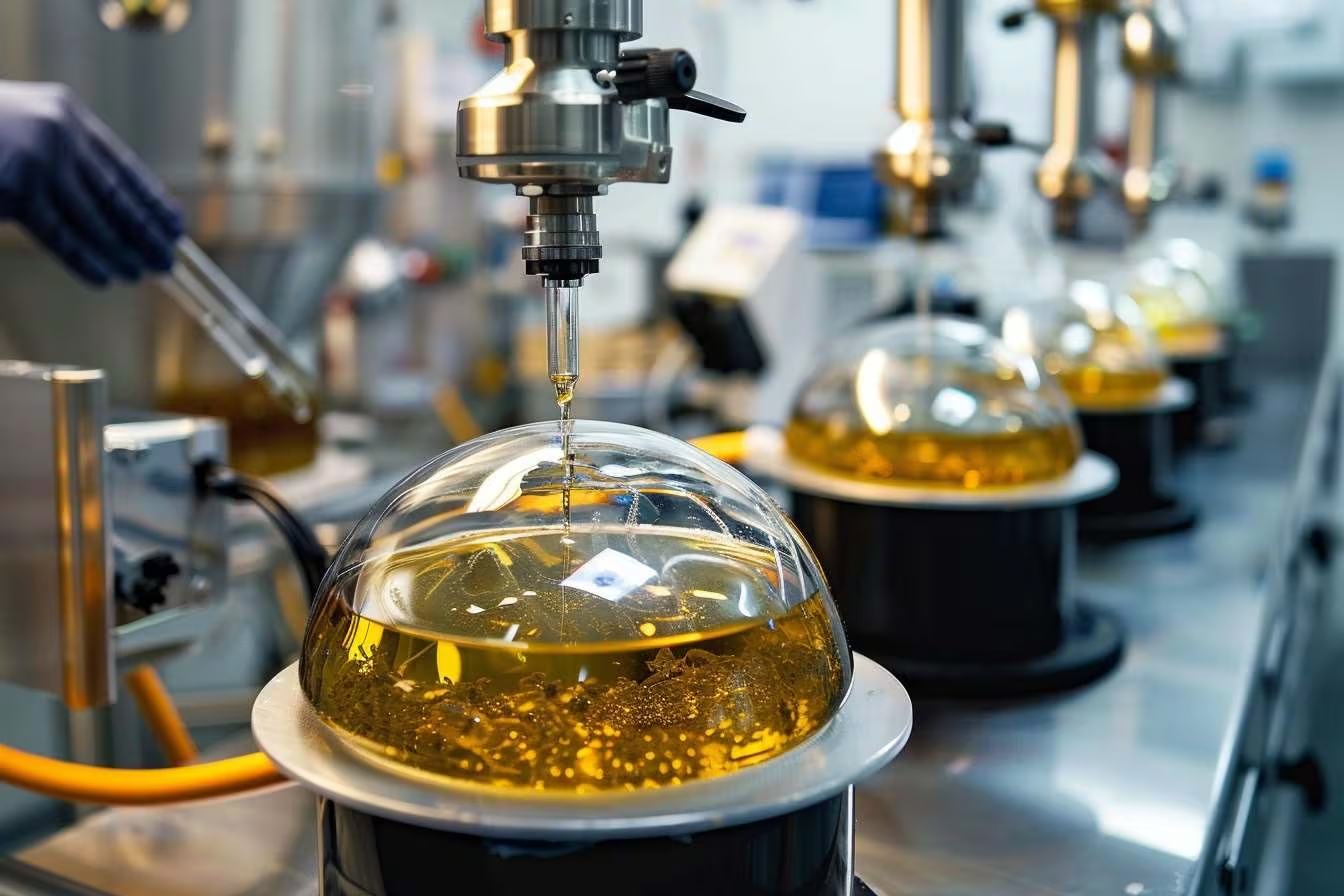
The modern CBD industry would not exist without advances in extraction and manufacturing technology. While hemp cultivation provides the raw material, it is the extraction process that transforms plant biomass into the refined ingredients used throughout today’s marketplace. Every CBD oil, capsule, topical, skincare formulation, beverage, and consumer product begins with a series of highly controlled manufacturing processes designed to isolate, refine, and preserve valuable plant compounds. These technologies have allowed the industry to scale from small production operations into a sophisticated global sector serving millions of consumers worldwide.
As demand for CBD products increased, manufacturers faced a critical challenge: how to produce consistent, reliable, and scalable ingredients while preserving product quality. The solution emerged through innovation in extraction science, purification systems, analytical testing, and formulation technology. Modern facilities now operate with a level of precision more commonly associated with pharmaceutical manufacturing and advanced food production than traditional agriculture. Understanding how these systems work provides valuable insight into one of the most important foundations of the CBD industry.
Extraction Is Where The Manufacturing Journey Begins
Extraction is the process of separating desirable compounds from hemp plant material. Raw hemp contains a complex mixture of cannabinoids, terpenes, flavonoids, plant waxes, chlorophyll, and other naturally occurring constituents. The objective of extraction is to isolate valuable compounds while minimizing unwanted materials that may interfere with product development or consistency.
This stage is among the most important in the entire production process because the quality of the extracted material directly influences every downstream activity. Manufacturers invest heavily in extraction technologies capable of producing reliable results at commercial scale. The effectiveness of these systems often determines a company’s ability to maintain product consistency, manufacturing efficiency, and long-term competitiveness within the marketplace.
CO₂ Extraction Became An Industry Standard
Among the most recognized extraction methods is supercritical CO₂ extraction. This technology utilizes carbon dioxide under carefully controlled temperature and pressure conditions to separate desired compounds from hemp biomass. The process gained popularity because it offers manufacturers a high degree of control while supporting efficient production and ingredient refinement.
One of the reasons CO₂ extraction became widely adopted is its flexibility. Operators can adjust extraction parameters to target specific compounds and optimize production outcomes. As the CBD industry matured, many leading manufacturers invested in advanced CO₂ systems capable of supporting large-scale commercial operations. Today, the technology remains one of the most influential innovations in modern cannabinoid manufacturing.
Ethanol Extraction Supports Large Scale Production
Ethanol extraction represents another major pillar of the CBD manufacturing industry. Unlike CO₂ extraction, this method relies on food-grade ethanol to separate cannabinoids and other desirable compounds from plant material. Ethanol extraction has become particularly valuable for large-scale operations due to its efficiency and ability to process significant volumes of biomass.
Many manufacturers appreciate ethanol extraction because it can support high-throughput production environments while maintaining flexibility across multiple product categories. As production capacity expanded globally, ethanol extraction helped create the infrastructure necessary to meet growing consumer demand. Its continued use highlights the importance of scalable manufacturing solutions within the rapidly evolving CBD marketplace.
Refinement Creates High Quality Ingredients
Extraction alone does not produce finished CBD ingredients. Following extraction, manufacturers typically perform additional refinement procedures designed to improve purity, consistency, and usability. These processes may include filtration, winterization, distillation, and other advanced purification techniques that help remove unwanted compounds while concentrating desirable components.
Refinement is where raw extracts begin to evolve into highly functional commercial ingredients. Modern purification systems allow manufacturers to create products with precise specifications while supporting different formulation objectives. Whether producing broad spectrum ingredients, full spectrum extracts, or highly purified isolates, refinement plays a central role in determining the final composition of CBD products.
Quality Control Is Built Into Every Stage
One of the defining characteristics of modern CBD manufacturing is the emphasis placed on quality control. Manufacturers must monitor numerous variables throughout production to ensure consistency and reliability. Analytical testing, process validation, ingredient verification, and production monitoring all contribute to maintaining manufacturing standards.
The importance of quality control has increased as consumers have become more knowledgeable about product sourcing and manufacturing practices. Businesses that implement robust quality systems often strengthen consumer trust while demonstrating their commitment to transparency and operational excellence. As the industry continues maturing, quality assurance will remain one of the most important pillars of successful manufacturing operations.
Formulation Science Drives Product Innovation
Once refined ingredients are produced, formulation science becomes the next major area of focus. Manufacturers work to develop products that meet specific market objectives while maintaining consistency and stability. This process often involves combining CBD ingredients with complementary components, optimizing delivery systems, and ensuring product performance throughout shelf life.
Formulation has become a major driver of innovation within the CBD sector. Companies continually explore new product formats, ingredient combinations, and manufacturing approaches designed to differentiate themselves within competitive markets. The rapid pace of product development demonstrates how scientific expertise continues shaping the future of the industry.
Manufacturing Will Continue Defining The Industry’s Future
The future of CBD will be influenced not only by consumer demand but also by ongoing advances in manufacturing technology. Improvements in extraction efficiency, purification methods, automation, analytical testing, and formulation science are expected to create new opportunities for innovation across the industry. Businesses that successfully integrate these advancements will likely play important roles in shaping the next generation of CBD products.
Behind every CBD product lies a complex manufacturing ecosystem built upon science, engineering, and continuous innovation. From extraction and purification to formulation and quality assurance, each stage contributes to the reliability and sophistication of the modern CBD marketplace. Understanding these processes provides a deeper appreciation for the technologies that transformed CBD into one of the most dynamic sectors in the global botanical products industry.