
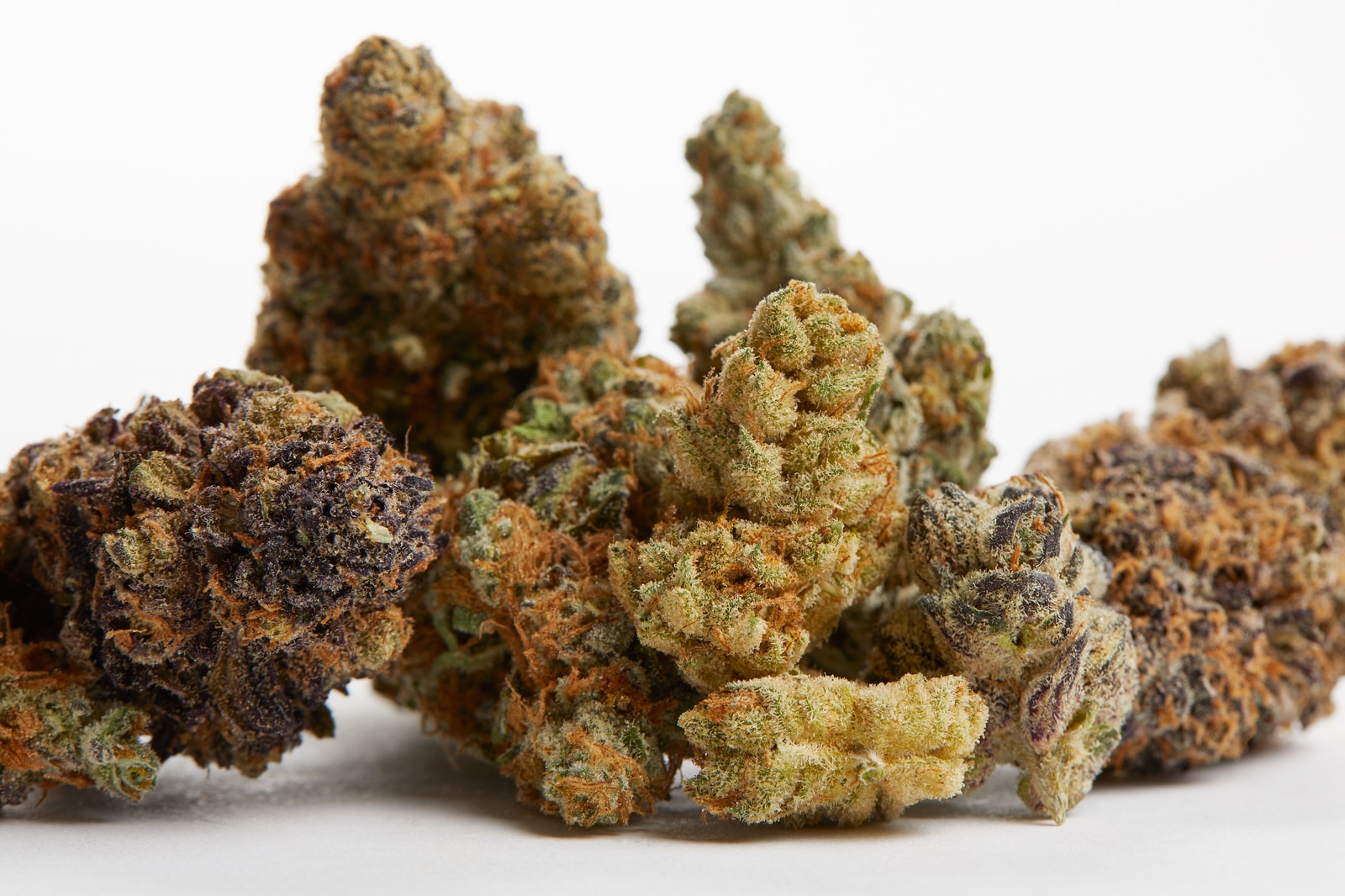
Few developments have transformed modern cannabis culture as dramatically as the emergence of exotic genetics. Over the past two decades, the cannabis industry has witnessed a shift from simple strain recognition toward a deeper appreciation for rarity, uniqueness, breeding innovation, and genetic craftsmanship. Today, the term “exotic” has become one of the most influential concepts in cannabis, shaping consumer demand, driving breeding projects, and creating entirely new segments within the marketplace. What was once considered a niche pursuit among dedicated breeders has evolved into a global phenomenon influencing cultivation, branding, product development, and premium cannabis culture.
The rise of exotic genetics reflects a broader trend seen across many industries. As markets mature, consumers often become more selective and sophisticated. Rather than seeking products solely based on availability, they begin valuing quality, exclusivity, craftsmanship, and distinction. Cannabis has followed a similar path. Modern consumers increasingly seek cultivars that stand apart from conventional offerings, creating demand for genetics that offer unique characteristics and memorable identities. This evolution has transformed exotic cannabis from a breeder’s ambition into one of the most important forces shaping the industry’s future.
What Makes A Strain Exotic?
One of the most misunderstood aspects of exotic cannabis is the definition itself. Exotic does not simply mean rare, expensive, or difficult to find. Truly exotic genetics often represent the combination of exceptional breeding, unique terpene expression, distinctive visual appeal, and characteristics that differ noticeably from mainstream cultivars.
In many cases, exotic strains achieve recognition because they introduce something genuinely new to the market. They may display unusual aromas, remarkable coloration, unique structural traits, or genetic combinations that challenge traditional expectations. What separates exotic genetics from ordinary cultivars is their ability to create excitement and inspire both consumers and breeders to view cannabis through a different lens.
Breeders Fueled The Exotic Movement
The modern exotic genetics movement began with breeders willing to push beyond conventional boundaries. Rather than reproducing familiar cultivars, these innovators explored new genetic combinations, searched for exceptional phenotypes, and invested years refining cultivars capable of offering something unique. Their work expanded the possibilities of cannabis breeding and introduced entirely new directions for genetic development.
Many of today’s most celebrated exotic strains originated from projects that prioritized uniqueness over predictability. Breeders sought aromas that had never been encountered before, visual characteristics that stood apart from established standards, and lineages capable of producing extraordinary results. This relentless pursuit of originality helped create the exotic market as we know it today.
Consumer Demand Changed The Marketplace
As cannabis consumers became more educated, they began seeking products that offered greater distinction and individuality. This demand encouraged cultivators and breeders to invest more heavily in premium genetics and specialized breeding projects. Exotic cultivars quickly became symbols of innovation and quality within an increasingly competitive marketplace.
Consumers were no longer satisfied with simply purchasing cannabis. They wanted access to unique experiences, rare genetics, and cultivars that reflected the latest developments in breeding. This shift in consumer behavior accelerated the growth of the exotic segment and helped establish it as one of the industry’s most influential categories.
The Importance Of Terpene Innovation
One of the primary drivers behind exotic genetics is terpene development. Modern breeders often pursue cultivars capable of producing aromatic profiles that differ dramatically from traditional cannabis varieties. The search for unique terpene combinations has become one of the most competitive and creative areas of cannabis breeding.
As breeders continue exploring new genetic possibilities, terpene innovation remains a central objective. Unique aromatic identities help exotic cultivars establish their own place within the market and contribute to the ongoing diversification of cannabis genetics. In many ways, terpenes have become one of the defining characteristics of the exotic movement.
Limited Genetics Created Exclusivity
Scarcity has always influenced value, and cannabis is no exception. Some exotic cultivars achieve recognition partly because access to the genetics remains limited. Small breeding projects, carefully managed releases, and restricted distribution often contribute to a strain’s reputation and desirability.
This exclusivity creates excitement within cultivation and consumer communities. Limited genetics often become highly sought after because they represent access to something uncommon. The combination of rarity and quality has helped establish exotic cannabis as a premium segment within the broader marketplace.
Exotic Genetics Influenced Cannabis Branding
The rise of exotic cannabis has had a significant impact on branding throughout the industry. Companies increasingly build product lines around distinctive genetics, emphasizing uniqueness, craftsmanship, and breeder credibility. Exotic cultivars frequently serve as flagship offerings that help brands establish identity and attract attention in crowded markets.
This relationship between genetics and branding highlights how cannabis has evolved beyond a purely agricultural product. Genetics now function as cultural and commercial assets capable of influencing market positioning and consumer perception. The most successful brands often understand the value of aligning themselves with exceptional genetic innovation.
Why Exotic Genetics Matter To The Future Of Cannabis
The significance of exotic genetics extends beyond consumer trends. Exotic breeding projects often drive innovation throughout the industry by encouraging exploration, experimentation, and genetic diversity. Many breakthroughs in modern cannabis originated from breeders pursuing unconventional ideas and challenging established norms.
As the industry continues maturing, exotic genetics will likely remain an important source of inspiration and progress. They encourage breeders to expand the boundaries of what cannabis can become while providing consumers with access to increasingly diverse cultivars. This cycle of innovation helps ensure that cannabis genetics continue evolving rather than becoming stagnant.
The Next Generation Of Exotic Cultivars
The future of exotic cannabis will likely be defined by even greater creativity, precision breeding, and genetic exploration. Advances in cultivation technology, breeding science, and genetic analysis are providing breeders with tools that make it possible to pursue increasingly ambitious objectives. New cultivars will continue emerging, each contributing fresh ideas and characteristics to the marketplace.
What makes exotic genetics so important is not simply their rarity. It is their ability to push the industry forward. They challenge expectations, inspire innovation, and demonstrate the extraordinary diversity that cannabis genetics can achieve. As breeding continues evolving, exotic cultivars will remain at the forefront of cannabis innovation and cultural influence.