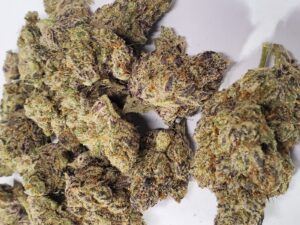
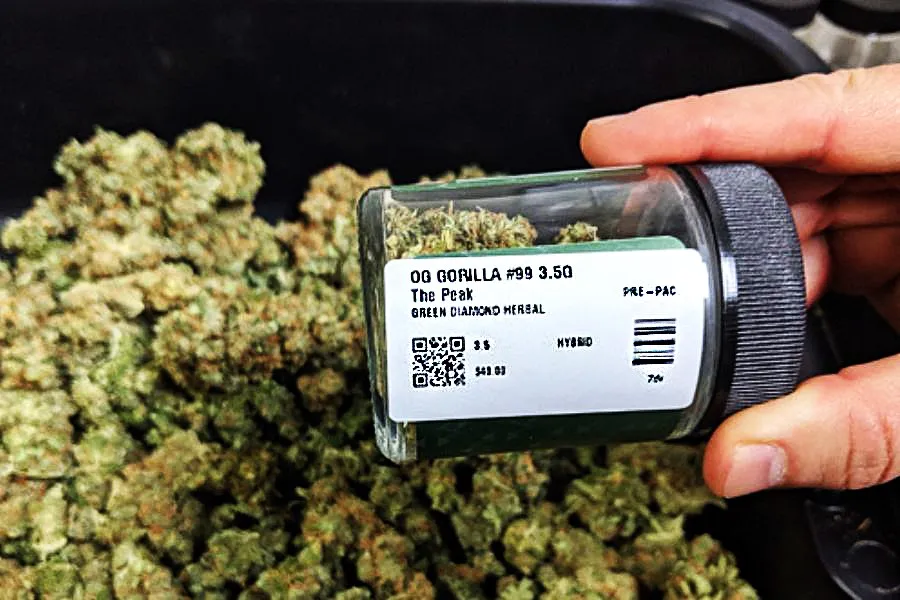
Modern cannabis products contain more information than ever before. From cannabinoids and terpene profiles to batch numbers and testing results, product labels have become valuable tools that help consumers better understand what they are purchasing. Yet many buyers focus only on a few numbers while overlooking information that can provide a much clearer picture of product quality. Learning how to read cannabis labels like an industry professional allows consumers to move beyond marketing claims and make more informed purchasing decisions based on transparency, quality standards, and product composition.
Why Cannabis Labels Matter
In today’s cannabis marketplace, product labels serve as a direct connection between producers and consumers. They provide insight into a product’s composition, production standards, and quality verification processes. For cultivators, manufacturers, and retailers, accurate labeling reflects a commitment to transparency and professional standards.
For consumers, labels offer an opportunity to evaluate products using objective information rather than relying solely on packaging design or promotional language.
Understanding what to look for can significantly improve product selection and consumer confidence.
Start With The Product Category
One of the first things professionals evaluate is the product category itself. Cannabis flower, concentrates, vape products, edibles, oils, tinctures, capsules, and specialty cannabinoid formulations all contain different types of information and should be assessed according to their specific category.
Understanding the category helps establish the context needed to interpret the rest of the label accurately.
Understanding Cannabinoid Information
Cannabinoid content is often the most visible information displayed on cannabis packaging. Labels commonly identify cannabinoids such as THC, CBD, CBG, CBN, CBC, and other compounds depending on the product.
While cannabinoid percentages and concentrations provide useful information, professionals rarely rely on these figures alone. Instead, they consider cannabinoid data as one component within a broader evaluation process that also includes genetics, terpene content, cultivation quality, and overall product consistency.
A balanced approach provides a more complete understanding of product quality.
Why Terpene Information Is Increasingly Important
As consumer knowledge expands, terpene information has become one of the most valuable sections of many cannabis labels. Terpenes contribute to the aroma, flavor, and character of a product and often provide deeper insight than cannabinoid percentages alone.
Commonly listed terpenes may include:
* Myrcene
* Limonene
* Caryophyllene
* Pinene
* Linalool
* Humulene
Many experienced buyers review terpene information carefully because it can reveal important details about cultivar characteristics and product quality.
Batch Numbers And Product Traceability
Professional cannabis operations place significant emphasis on traceability. Batch numbers allow products to be tracked throughout cultivation, manufacturing, testing, and distribution processes.
While many consumers overlook this information, batch identification supports transparency and demonstrates a commitment to quality management throughout the supply chain.
Strong traceability systems are often associated with well-organized and professionally operated cannabis businesses.
Understanding Testing Information
One of the most important sections of a cannabis label involves testing and product verification. Testing helps provide information regarding product composition and quality while supporting transparency throughout the marketplace.
Many products include references to laboratory analysis, cannabinoid reporting, terpene data, and other quality-related information. These details help consumers better understand the product they are purchasing while supporting informed decision-making.
Testing information has become an increasingly important component of modern cannabis quality standards.
Packaging Dates And Freshness
Freshness plays an important role in maintaining product quality. Packaging dates and production information can provide insight into how recently a product entered the marketplace.
For flower products in particular, freshness may influence aroma quality, terpene preservation, visual presentation, and overall product integrity. Professional buyers often review date information as part of their overall evaluation process.
Understanding freshness helps consumers identify products that have been properly handled throughout the supply chain.
Brand Reputation Still Matters
Even the most detailed label should be evaluated alongside the reputation of the company behind the product. Brands that consistently prioritize transparency, quality control, product testing, and customer trust often provide a stronger foundation for purchasing decisions.
Respected cannabis companies invest heavily in cultivation standards, manufacturing excellence, testing procedures, and product development. Their commitment to quality is often reflected in both the product itself and the information presented on the label.
Looking Beyond THC Percentages
One of the most common mistakes consumers make is focusing exclusively on THC content. While cannabinoid levels provide useful information, they represent only one aspect of product evaluation.
Industry professionals typically examine multiple factors including terpene profiles, genetics, cultivation practices, testing standards, freshness, and brand credibility before making purchasing decisions. This broader perspective often leads to a more accurate assessment of product quality.
Becoming A More Informed Cannabis Consumer
Learning how to read cannabis labels is one of the most valuable skills a consumer can develop. Product labels provide a wealth of information that extends far beyond simple cannabinoid percentages and can offer meaningful insight into quality, transparency, and production standards.
As the cannabis industry continues to evolve, consumers who understand how to evaluate labels will be better equipped to navigate an increasingly sophisticated marketplace. By focusing on transparency, testing, terpene information, freshness, and product credibility, buyers can make more confident decisions while gaining a deeper appreciation for the standards that define premium cannabis products.