The cannabis industry has already undergone a transformation that few would have predicted twenty years ago. What was once fragmented, heavily restricted, and largely disconnected from mainstream commerce has evolved into a global economic sector attracting investors, researchers, entrepreneurs, manufacturers, policymakers, and multinational corporations. Yet despite the progress already made, many industry leaders believe the most significant changes still lie ahead. The cannabis sector of 2035 will likely look dramatically different from the one that exists today, shaped by technological innovation, international expansion, scientific advancement, changing consumer expectations, and the continued maturation of legal markets around the world.
Predicting the future of any industry is inherently difficult, but certain long-term trends are already becoming visible. The cannabis companies that dominate tomorrow’s markets may not even be household names today. Entire product categories could emerge, global trade networks may reshape production economics, and technological breakthroughs could redefine cultivation, manufacturing, and consumer experiences. Understanding these forces provides valuable insight into where the industry may be heading and what factors are most likely to influence its next phase of development.
Cannabis Will Become Increasingly Global
For much of its modern history, cannabis has been shaped by local regulations and domestic markets. By 2035, the industry is likely to become far more international in both structure and influence. Countries that establish strong production capabilities, research programs, and regulatory frameworks may emerge as important participants in a growing global marketplace. Just as industries such as wine, coffee, pharmaceuticals, and agriculture developed international supply chains, cannabis may gradually follow a similar path.
This globalization could create entirely new economic relationships between producing and consuming markets. Regions with favorable climates, advanced agricultural infrastructure, and competitive production costs may become major suppliers, while other countries focus on processing, branding, research, and retail distribution. As international cooperation expands, cannabis may increasingly operate as a global industry rather than a collection of isolated markets.
Scientific Research May Unlock New Frontiers
One of the most significant forces shaping the future of cannabis will be scientific research. Despite decades of interest in the plant, many aspects of cannabis biology, genetics, cultivation science, and cannabinoid development remain relatively unexplored compared to other major industries. Continued research has the potential to unlock new discoveries that influence everything from product development and agricultural efficiency to biotechnology and manufacturing.
Advances in genetic analysis, plant science, cultivation systems, and formulation research may create opportunities that do not yet exist today. Companies capable of translating scientific discoveries into practical innovations could become some of the most influential organizations within the future cannabis economy. In many ways, research may become just as important as cultivation in determining which businesses lead the industry.
Technology Will Reshape Production Models
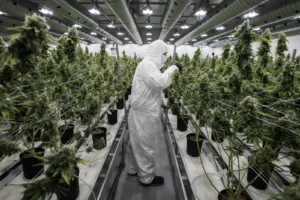
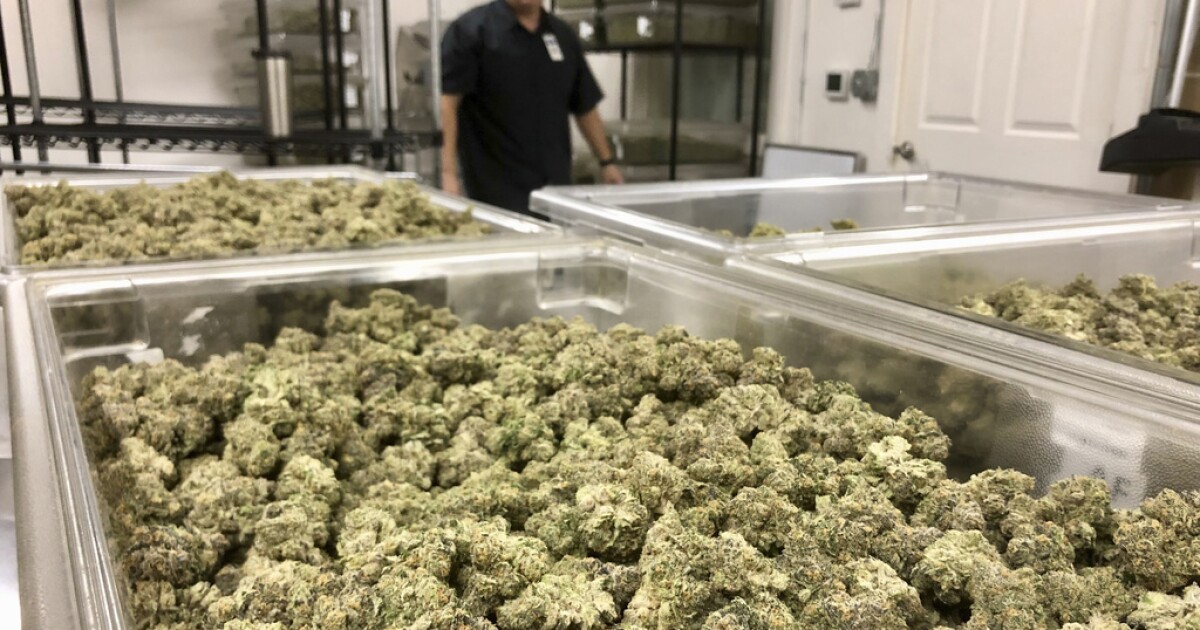
The cannabis facilities of 2035 may look very different from those operating today. Automation, robotics, artificial intelligence, predictive analytics, and advanced environmental systems are already influencing cultivation and manufacturing. As these technologies become more accessible and sophisticated, producers will likely gain new tools capable of improving efficiency, reducing waste, and increasing consistency across every stage of production.
Technology may also change how businesses make decisions. Data-driven operations could replace many traditional management approaches, allowing companies to optimize cultivation environments, forecast demand, manage inventory, and improve resource utilization with greater accuracy. The businesses that successfully integrate these technologies may gain substantial advantages in an increasingly competitive market.
Brands Will Compete Beyond Products
As markets mature, products alone are unlikely to be enough to sustain long-term differentiation. Consumers are becoming more selective, and brand loyalty is increasingly influenced by factors such as reputation, authenticity, quality standards, customer experience, and cultural relevance. By 2035, some of the most valuable cannabis companies may be recognized not only for what they sell but also for the communities, experiences, and identities they create.
This evolution mirrors patterns observed in other consumer industries where leading brands compete through storytelling, innovation, service, and emotional connection rather than product specifications alone. Cannabis companies that understand this shift will be better positioned to build durable relationships with consumers and maintain relevance in increasingly crowded markets.
Sustainability Will Move From Preference To Necessity
Environmental responsibility is expected to become a central consideration across the cannabis industry over the coming decade. Resource efficiency, renewable energy adoption, water conservation, packaging innovation, and sustainable production practices are already gaining attention from consumers, investors, and regulators. By 2035, sustainability may become an operational requirement rather than a marketing advantage.
Companies that proactively invest in sustainable infrastructure are likely to benefit from both economic and reputational advantages. As global attention surrounding environmental issues continues to grow, businesses that fail to adapt may face increasing pressure from markets, policymakers, and consumers alike. Sustainability is expected to influence not only how cannabis is produced but also how companies are evaluated and valued.
New Consumer Categories Will Emerge
One of the most difficult aspects of forecasting the future is identifying opportunities that have not yet fully materialized. The cannabis consumers of 2035 may have preferences, expectations, and purchasing behaviors that differ significantly from those of today. New demographics, emerging markets, evolving lifestyles, and changing cultural attitudes will likely create demand for products and experiences that are only beginning to take shape.
This evolution will encourage businesses to remain flexible and innovative. Companies that continuously monitor consumer behavior and adapt to changing expectations will be better positioned to identify opportunities before they become mainstream. In many cases, future growth may come from entirely new categories that do not currently exist within the market.
The Industry Will Continue To Mature
Perhaps the most important trend of all is maturation. As the cannabis industry grows, it will likely become more professional, more competitive, and more sophisticated. Operational excellence, strategic planning, research capabilities, technological adoption, and long-term vision will increasingly separate industry leaders from the rest of the market. The era of rapid experimentation will gradually give way to an environment where execution, efficiency, and innovation determine success.
The cannabis industry of 2035 may still be recognizable, but its scale, structure, and complexity will likely exceed anything seen today. The businesses, technologies, and ideas shaping that future are already emerging. What happens over the next decade will determine not only who leads the industry but also how cannabis ultimately integrates into the broader global economy.