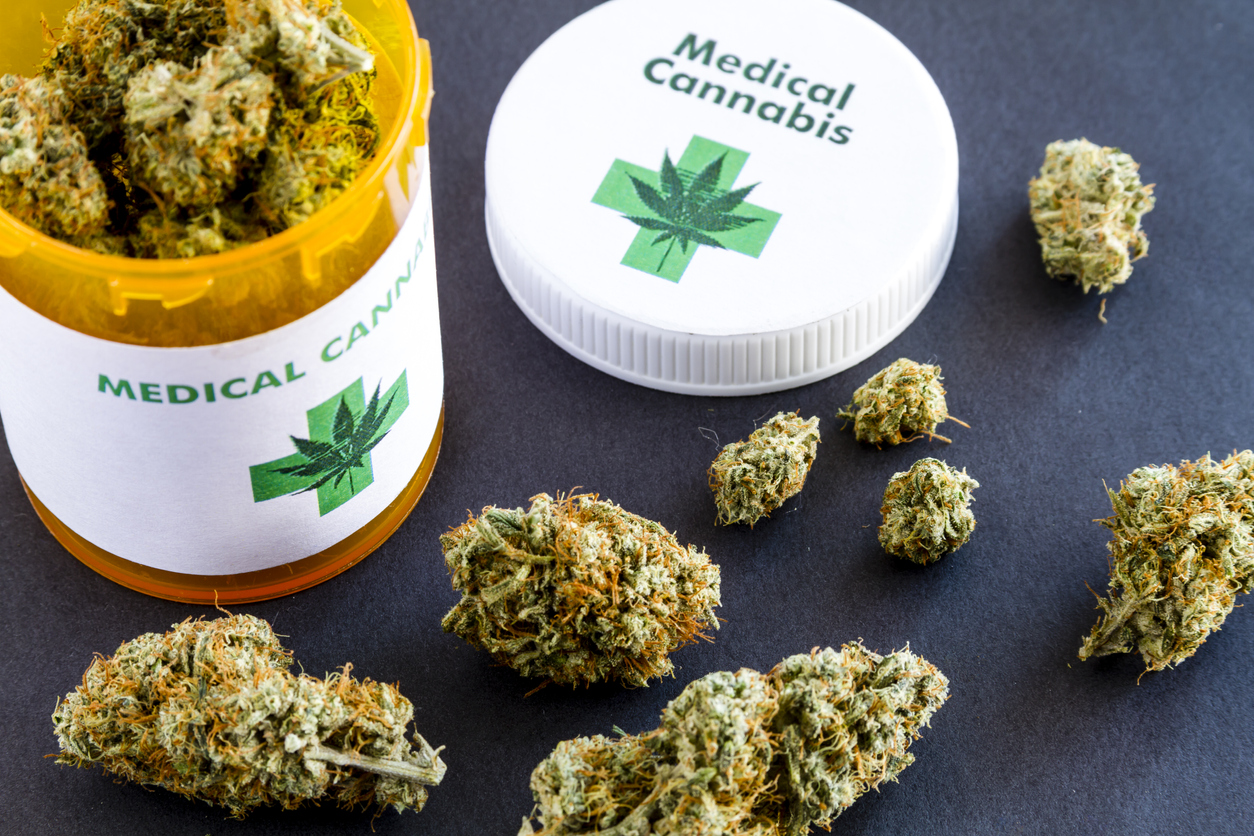
Few developments have influenced the cannabis industry as profoundly as the rise of medical cannabis. Once limited to a handful of specialized programs and research initiatives, medical cannabis has become an increasingly important part of healthcare discussions around the world. Governments, healthcare professionals, researchers, and patients are paying closer attention to cannabis as scientific understanding continues to evolve and regulatory frameworks expand. While public conversations often focus on recreational markets and consumer products, medical cannabis represents one of the most significant and transformative sectors within the broader cannabis industry.
The growth of medical cannabis reflects a larger shift occurring throughout modern healthcare. Patients today are more informed, more engaged in healthcare decisions, and increasingly interested in understanding the full range of options available within regulated medical systems. At the same time, researchers continue exploring the cannabis plant, its compounds, and the biological systems with which they interact. This combination of scientific inquiry, patient interest, and regulatory development has helped position medical cannabis as an area of growing importance within global healthcare conversations.
The Evolution Of Medical Cannabis Programs
The medical cannabis landscape of today looks dramatically different from what existed just two decades ago. Early programs were often limited in scope, highly restrictive, and available only to a small number of patients. As scientific interest increased and policymakers gained access to more research and clinical observations, many jurisdictions began reevaluating their approach to cannabis regulation.
This gradual evolution has led to the establishment of medical cannabis programs across numerous regions worldwide. In many cases, these programs include physician oversight, regulated production standards, product testing requirements, and controlled distribution systems designed to prioritize patient safety and product consistency. The expansion of these frameworks has contributed to a growing level of legitimacy and professionalism throughout the medical cannabis sector.
Research Continues To Shape The Industry
One of the most important drivers behind the growth of medical cannabis is the expanding body of scientific research. Universities, healthcare institutions, research organizations, and regulatory agencies continue investigating cannabinoids, plant compounds, formulation technologies, and the broader biological systems associated with cannabis. While many questions remain the subject of ongoing study, research has played a critical role in advancing understanding and encouraging evidence-based discussions.
The relationship between science and industry has become increasingly important. Product manufacturers, healthcare providers, and policymakers all rely on emerging research to help guide decisions regarding product development, patient access, quality standards, and regulatory frameworks. As research continues to advance, it is likely to play an even greater role in shaping the future direction of medical cannabis around the world.
Why Quality Standards Matter In Medical Cannabis
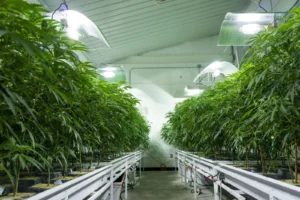
Medical cannabis products are held to particularly high standards because consistency, reliability, and product integrity are essential within regulated healthcare environments. This has encouraged significant investment in cultivation practices, manufacturing procedures, laboratory testing, quality assurance systems, and supply chain management throughout the industry.
Leading medical cannabis producers often operate under rigorous standards designed to ensure that products meet strict specifications before reaching patients. These standards have contributed to broader improvements across the cannabis industry as a whole, raising expectations for product quality, transparency, and accountability. In many ways, the medical sector has helped establish benchmarks that continue influencing product development throughout both medical and consumer markets.
The Future Of Medical Cannabis
The future of medical cannabis will likely be shaped by three major forces: scientific research, regulatory evolution, and continued innovation. As researchers deepen their understanding of cannabinoids and plant compounds, new opportunities for product development and clinical exploration may emerge. At the same time, regulatory systems are expected to continue evolving as governments seek to balance patient access, public safety, and industry oversight.
Medical cannabis is no longer viewed as a niche segment of the cannabis industry. It has become an important area of global interest that intersects with healthcare, research, biotechnology, agriculture, manufacturing, and public policy. As knowledge continues to expand and standards continue to improve, medical cannabis is positioned to remain one of the most influential and closely watched sectors within the broader cannabis landscape.
Looking Ahead
Medical cannabis represents far more than a product category. It reflects an ongoing effort to better understand one of the world’s most complex and historically misunderstood plants. Through continued research, responsible regulation, and a commitment to quality, the medical cannabis sector is helping shape the future of cannabis while contributing to broader discussions surrounding science, healthcare innovation, and patient-centered approaches to care. As the industry continues to mature, medical cannabis will remain at the forefront of conversations that define the next chapter of global cannabis development.