
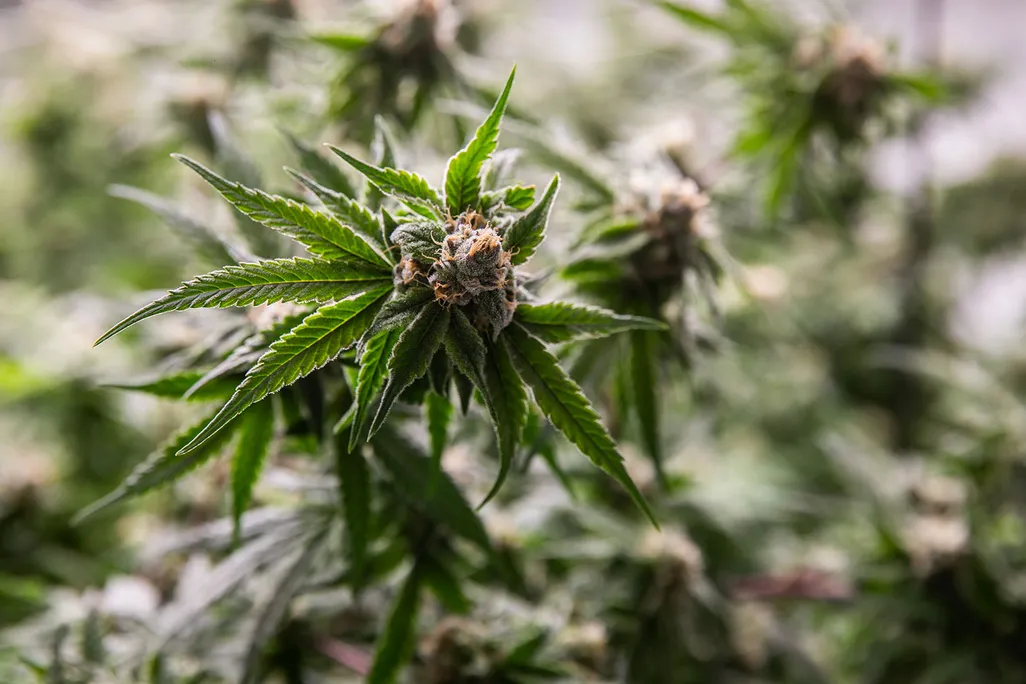
The cannabis plant contains a remarkable array of naturally occurring compounds, each contributing to the plant’s complexity and diversity. Among these compounds, tetrahydrocannabinol, commonly known as THC, stands as the most recognized and commercially influential cannabinoid in the world. While cannabis contains numerous cannabinoids, terpenes, flavonoids, and other plant constituents, THC occupies a unique position within both scientific research and modern consumer markets. Its discovery transformed the understanding of cannabis and helped lay the foundation for one of the fastest-growing industries of the twenty-first century.
Today, THC influences nearly every aspect of the cannabis economy. It shapes cultivation strategies, breeding programs, product development, manufacturing processes, consumer preferences, and market trends. Understanding THC requires looking beyond its presence within the plant and examining its broader role within the cannabis ecosystem. The significance of THC lies not only in its chemistry but also in its impact on innovation, commerce, and the evolution of modern cannabis culture.
The Cannabis Plant Is A Complex Chemical System
One of the most common misconceptions about cannabis is that it revolves around a single compound. In reality, cannabis is an extraordinarily complex plant containing a wide variety of naturally occurring constituents. Scientists have identified numerous cannabinoids alongside aromatic compounds known as terpenes and other plant-derived substances that contribute to the plant’s unique profile.
Within this intricate system, THC emerged as one of the most studied cannabinoids because of its distinct characteristics and widespread presence across many cannabis varieties. Its prominence encouraged researchers to explore cannabinoid science more deeply, leading to a broader understanding of the plant’s chemical diversity. In many ways, THC served as the starting point for modern cannabinoid research and helped attract scientific attention to cannabis as a whole.
Why THC Became The Industry’s Defining Cannabinoid
Every industry has a defining element that drives growth and shapes consumer awareness. For the cannabis sector, THC became that defining component. As researchers and cultivators gained greater understanding of cannabinoids, THC quickly became a focal point for cultivation, breeding, and product development efforts.
The commercial importance of THC stems from its central role within many cannabis products and its influence on consumer demand. Businesses throughout the industry increasingly focused on understanding cannabinoid profiles, refining production methods, and developing products that reflected changing market preferences. As a result, THC became one of the primary forces driving innovation and investment across the cannabis economy.
Breeding Programs Revolutionized Cannabis Genetics
The growing importance of THC encouraged a new era of cannabis breeding. Cultivators and breeders invested significant resources into developing genetics capable of delivering consistency, quality, and unique cannabinoid profiles. Over time, breeding evolved from traditional selection practices into a highly specialized discipline supported by scientific knowledge and advanced cultivation techniques.
These breeding efforts transformed the genetic landscape of modern cannabis. Producers gained access to increasingly sophisticated plant varieties while consumers benefited from greater diversity across product categories. THC became a major consideration within breeding programs, influencing how genetics were selected, refined, and introduced to the marketplace.
Research Continues Expanding Industry Knowledge
Scientific interest in THC has contributed significantly to the growth of the cannabis industry. Researchers continue exploring cannabinoid science, plant biology, agricultural development, and formulation technologies, generating valuable knowledge that supports innovation across multiple sectors. Each advancement contributes to a more sophisticated understanding of cannabis and its potential applications.
The importance of research extends beyond academic environments. Discoveries often influence cultivation methods, manufacturing technologies, product design, and quality standards throughout the industry. As scientific capabilities continue advancing, THC remains a central area of focus within broader cannabinoid research initiatives around the world.
Consumer Awareness Changed The Marketplace
The modern cannabis consumer is far more informed than previous generations. Access to information has encouraged greater interest in cannabinoids, cultivation practices, genetics, manufacturing standards, and product composition. THC has become one of the most widely recognized terms within the cannabis industry, helping consumers better understand the products they purchase and the factors that influence quality.
This increased awareness has elevated industry standards while encouraging businesses to prioritize transparency and education. Consumers now evaluate products using more sophisticated criteria, creating demand for better information and stronger quality assurance practices. THC continues playing an important role in these conversations because of its prominence within modern cannabis products.
THC Drives Product Innovation
Few cannabinoids have influenced product development as extensively as THC. Manufacturers continually explore new ways to incorporate cannabinoids into innovative product categories while improving consistency, quality, and consumer experiences. Advances in extraction technology, formulation science, and manufacturing systems have created opportunities for increasingly sophisticated products that reflect changing market expectations.
The pace of innovation within the THC sector highlights the industry’s adaptability and willingness to evolve. Businesses invest heavily in research and development, seeking opportunities to create products that stand apart within competitive markets. This commitment to innovation continues strengthening THC’s role as a key driver of industry growth.
The Global Influence Of THC
As cannabis markets expand internationally, THC remains one of the most influential cannabinoids shaping industry development. Businesses operating across different regions continue investing in cultivation, manufacturing, product development, and consumer education initiatives designed to support long-term growth. The increasing globalization of cannabis has further amplified THC’s importance within commercial and research environments.
Different markets bring unique perspectives and opportunities, yet THC consistently remains a central topic of discussion. Whether viewed through the lens of cultivation, science, economics, or innovation, its influence extends across virtually every segment of the industry. This global significance underscores why THC continues to occupy such a prominent position within the modern cannabis landscape.
The Cannabinoid That Continues To Shape The Future
The cannabis industry continues evolving, but THC remains one of its most influential foundations. From scientific discovery and agricultural development to product innovation and global market expansion, its impact can be seen throughout the entire cannabis ecosystem. Understanding THC provides valuable insight into how the industry developed and where it may be headed in the future.
As research advances and markets mature, THC will continue influencing cultivation strategies, manufacturing technologies, consumer trends, and business innovation. Its story is inseparable from the story of modern cannabis itself. More than any other cannabinoid, THC helped transform cannabis from a traditional agricultural crop into a sophisticated global industry with extraordinary potential for future growth.